Rapid Prototyping & 3D Printing
From your first concept sketch to a physical, testable prototype — SunpeakMold delivers precision prototypes in days, not weeks. Validate your design before committing to mold tooling.
Validate Before You Manufacture
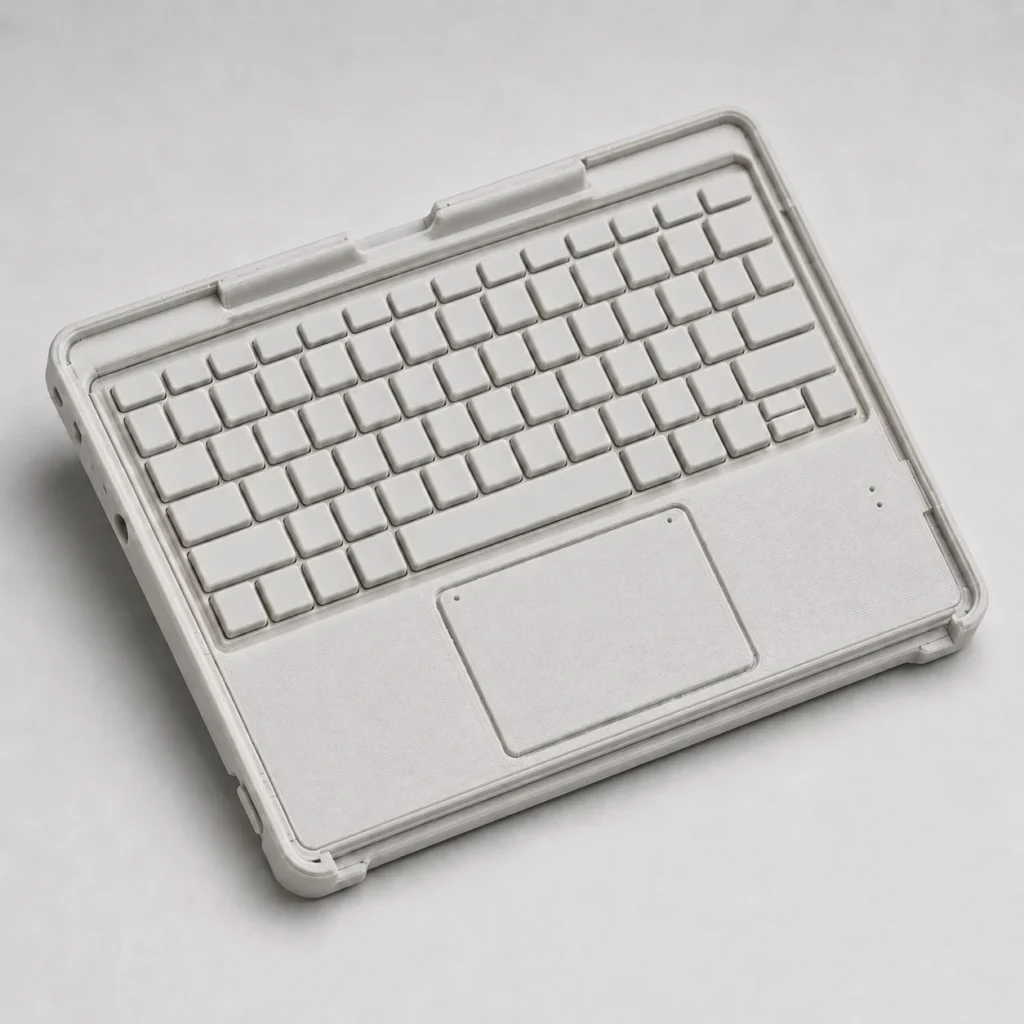
Prototyping is a critical stage in product development. Before a single piece of mold steel is machined, a physical prototype lets you verify your design — checking form, fit, function, and manufacturability — so you catch problems early and arrive at tooling with confidence.
- Design Verification — Confirm your 3D CAD translates correctly into a real, physical part before tooling
- Reduced Mold Costs — Catch design issues early — fixing a prototype costs a fraction of reworking a mold
- Faster Time-to-Market — Parallel prototyping and engineering keeps your product launch on schedule
- Client & Stakeholder Buy-in — A real sample is far more convincing than a rendering for approvals
Our Prototyping Advantages
We combine advanced technology with deep injection molding expertise to deliver prototypes that actually perform like production parts.
Multi-Technology Expertise
SLA, SLS, FDM, and CNC machining — we select the right process for your part’s complexity, accuracy, and material requirements.
3–7 Day Turnaround
Our in-house prototyping equipment and streamlined workflows ensure rapid delivery — so your development cycle keeps moving.
Mold-Ready Feedback
Every prototype comes with engineering notes highlighting DFM issues detected during production — your mold project starts smarter.
±0.01mm Precision
Tight dimensional tolerances ensure your prototype accurately reflects production intent — critical for assembly-fit validation.
Three Technologies. One Team.
We offer three core prototyping technologies — each with distinct strengths. Our engineers will recommend the best fit for your part.
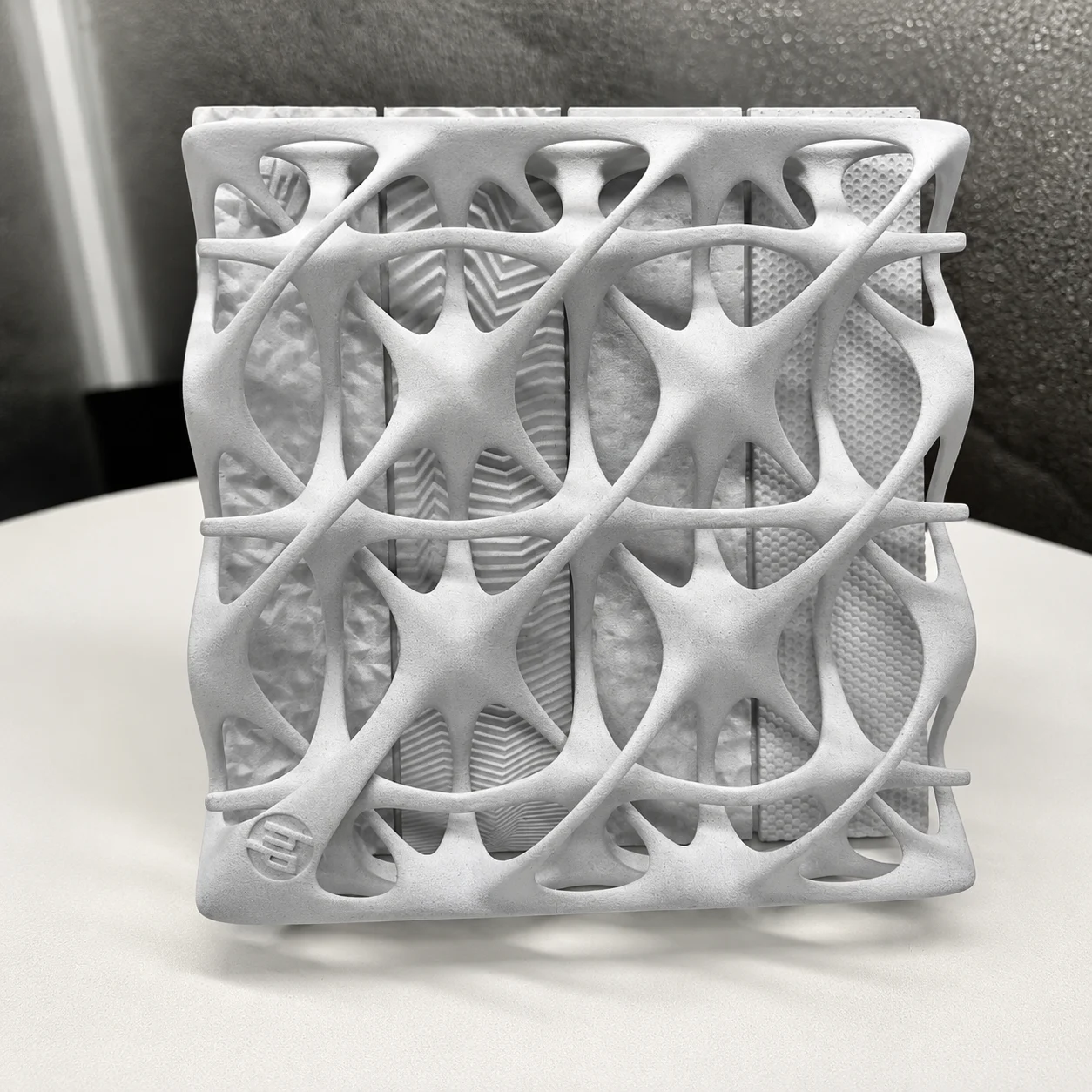
3D Printing
- SLA / SLS / FDM / DLP processes available
- Complex geometries and internal structures
- Rapid iteration for design verification
- Best for: concept models, early-stage validation
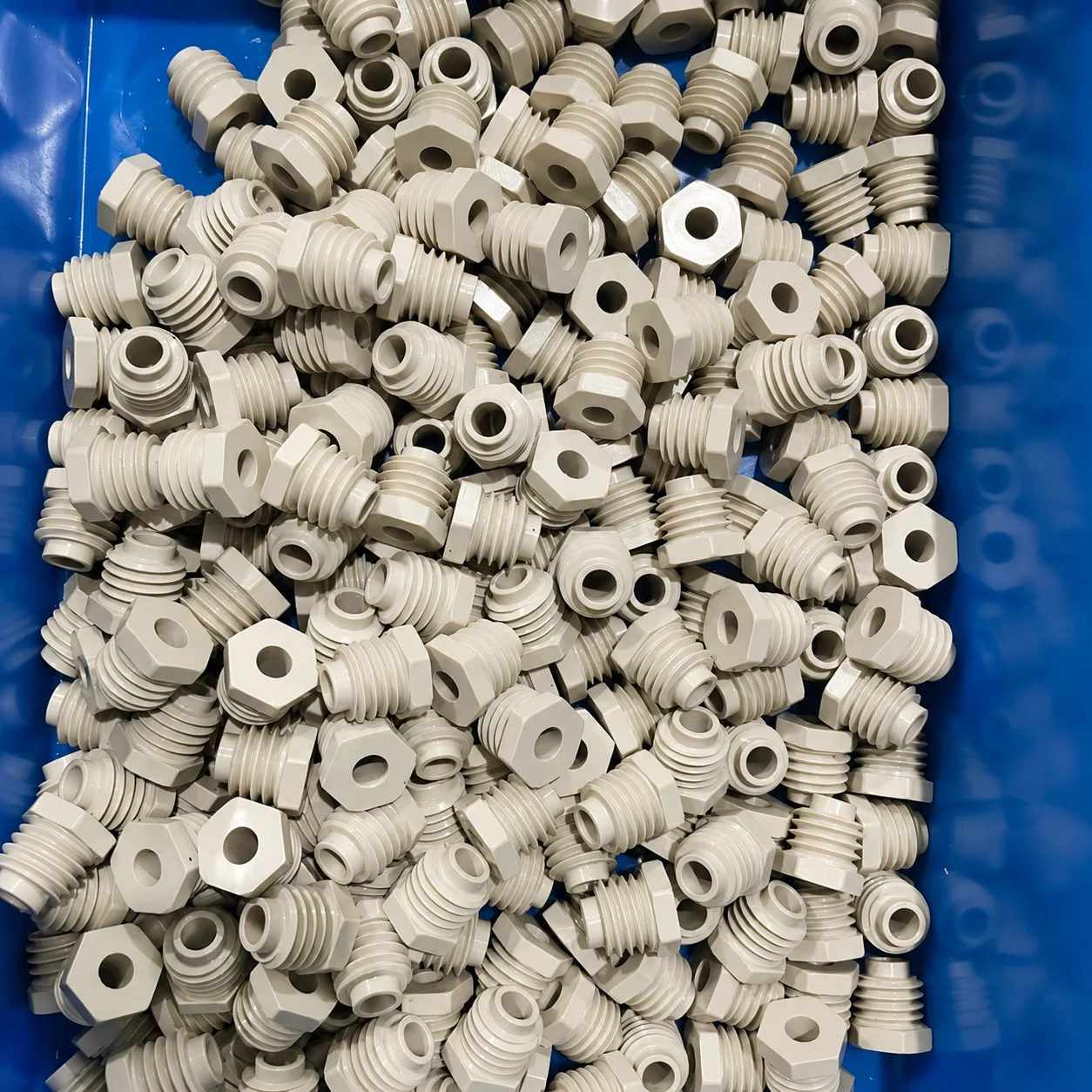
CNC Machining
- High surface finish and dimensional accuracy
- Structural strength close to production parts
- Wide material selection (ABS, PC, nylon, metals)
- Best for: functional testing, precision assemblies
Vacuum Casting
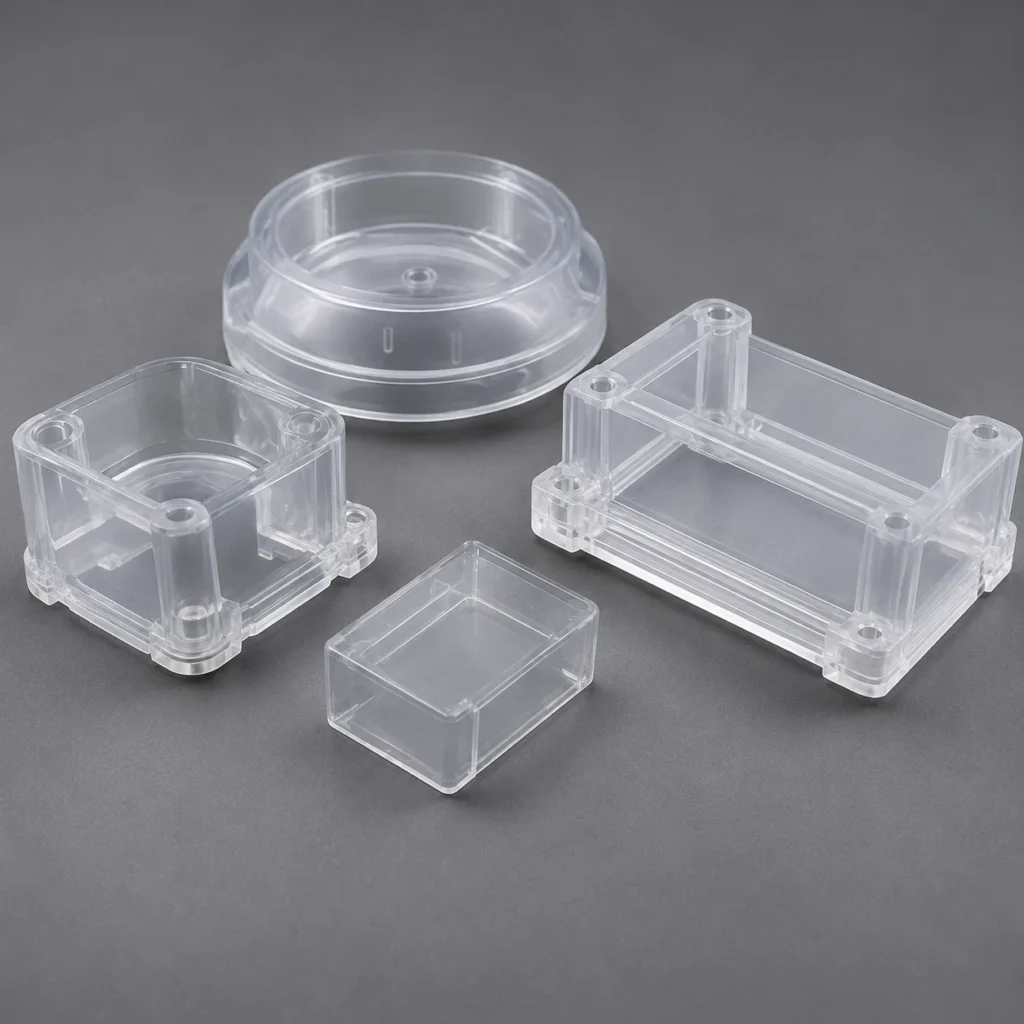
- Smooth surface finish, replicates fine details
- Polyurethane materials with rubber-like options
- Ideal for small batches (5–50 pcs)
- Best for: appearance prototypes, market samples
Our 6-Step Prototyping Process
A structured workflow that takes your idea from digital model to finished prototype — with quality checks at every stage.
1. Design Review
We analyze your 3D file or sketch for printability and structural integrity before starting.
2. Technology Selection
We choose the optimal prototyping method based on accuracy, material, and timeline requirements.
3. Prototype Build
We fabricate the prototype using the selected technology — 3D printing, CNC, or vacuum casting.
4. Post-Processing
Surface finishing, sanding, painting, or assembly as needed to match your final part specification.
5. Quality Inspection
Dimensional check and visual inspection against your drawings and tolerance requirements.
6. Delivery & Feedback
Prototype delivered with engineering notes and DFM recommendations for your next design iteration.
What We Use to Build Your Prototype
From photopolymer resins and nylon powders to aluminum alloys — we match material selection to your prototype’s intended use.
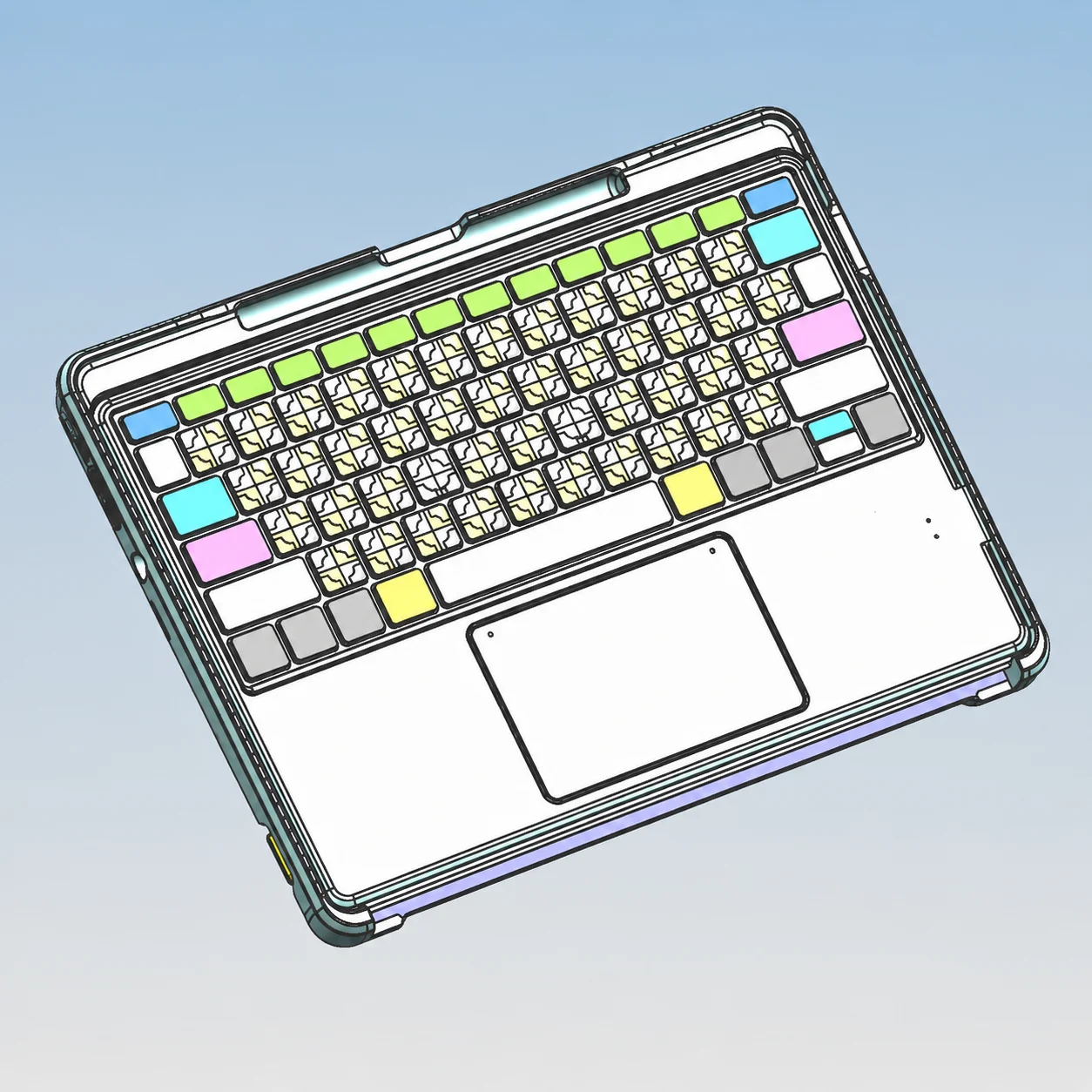
3D Printing (SLA / SLS / FDM / DLP)
High-resolution resin models (SLA), durable nylon parts (SLS), and fast concept models (FDM). Best for complex geometry and rapid iterations.
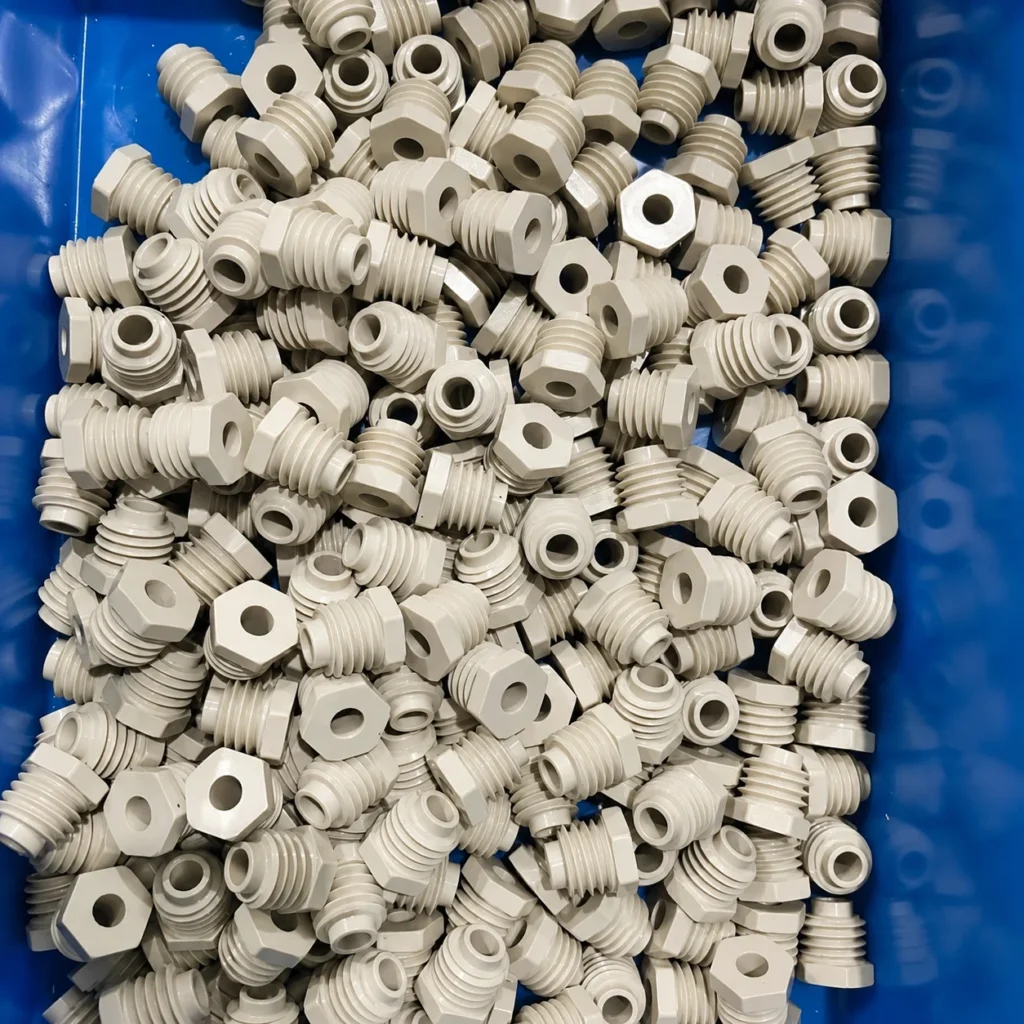
CNC Precision Machining
Multi-axis CNC machining for metal and plastic prototypes with tight tolerances. Ideal for functional testing and production-representative samples.
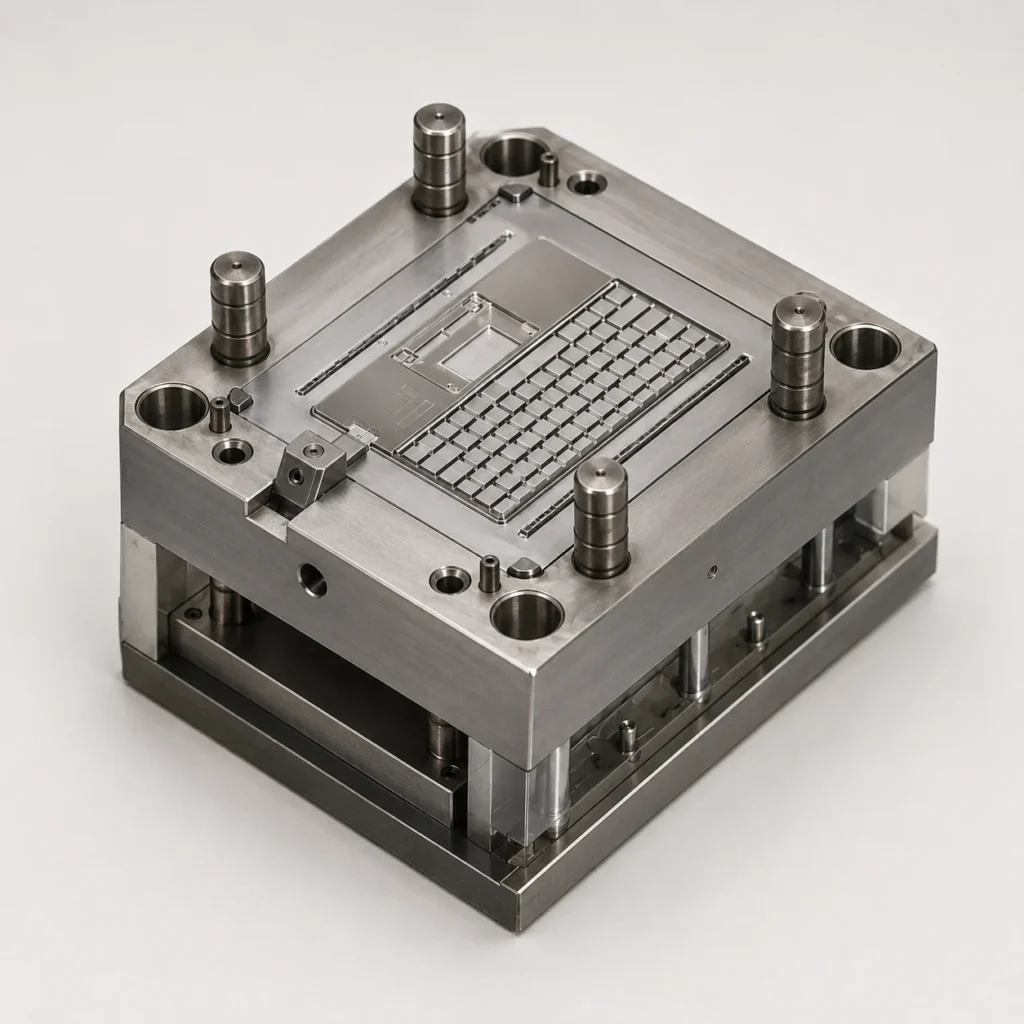
Soft-Tool & Bridge Molding
Aluminum prototype molds for injection-molded samples — closest to final production quality. Ideal when material properties must match exactly.
Prototyping Across All Industries
Our prototyping capabilities support the full range of plastic product applications — from automotive components to consumer electronics and medical devices.
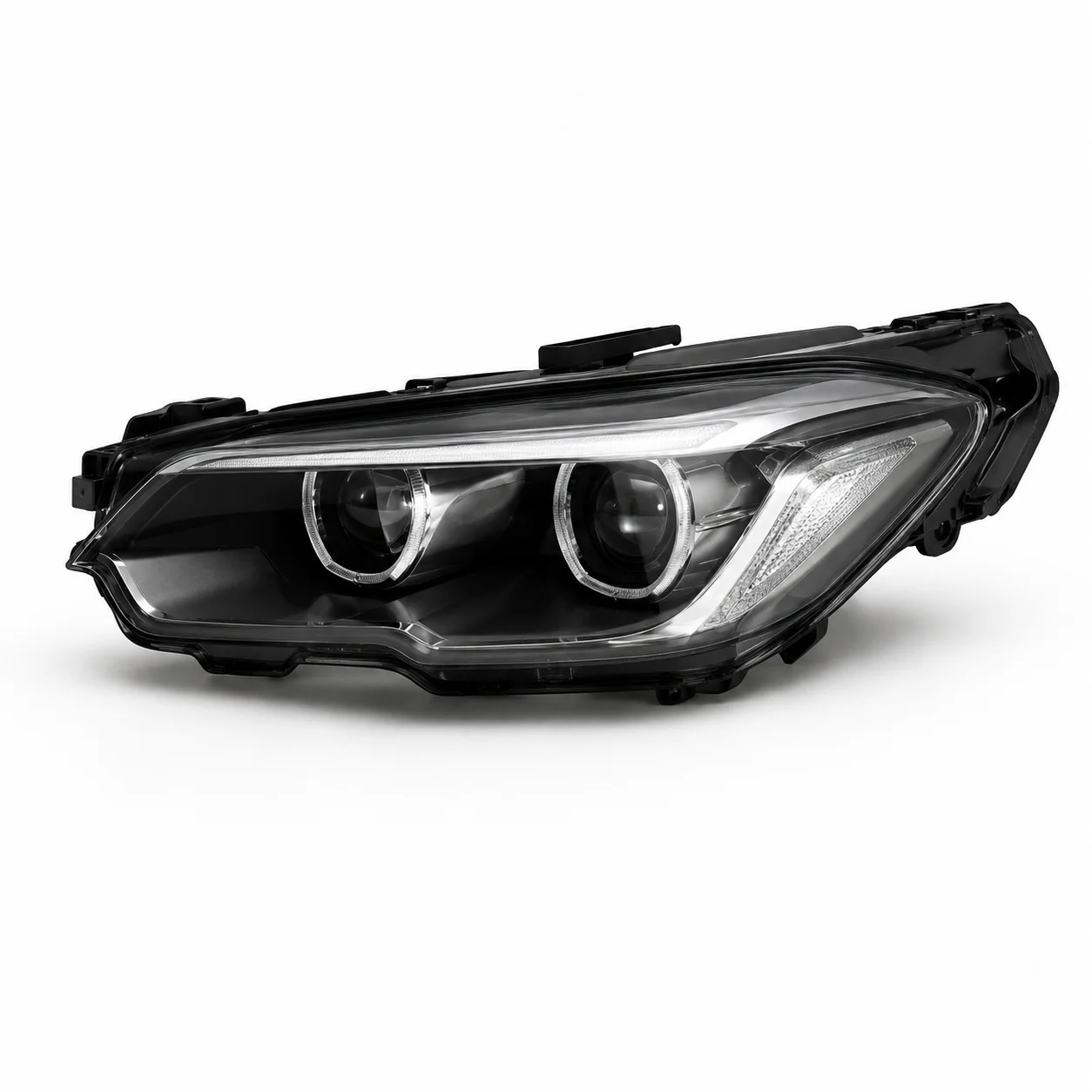
Automotive
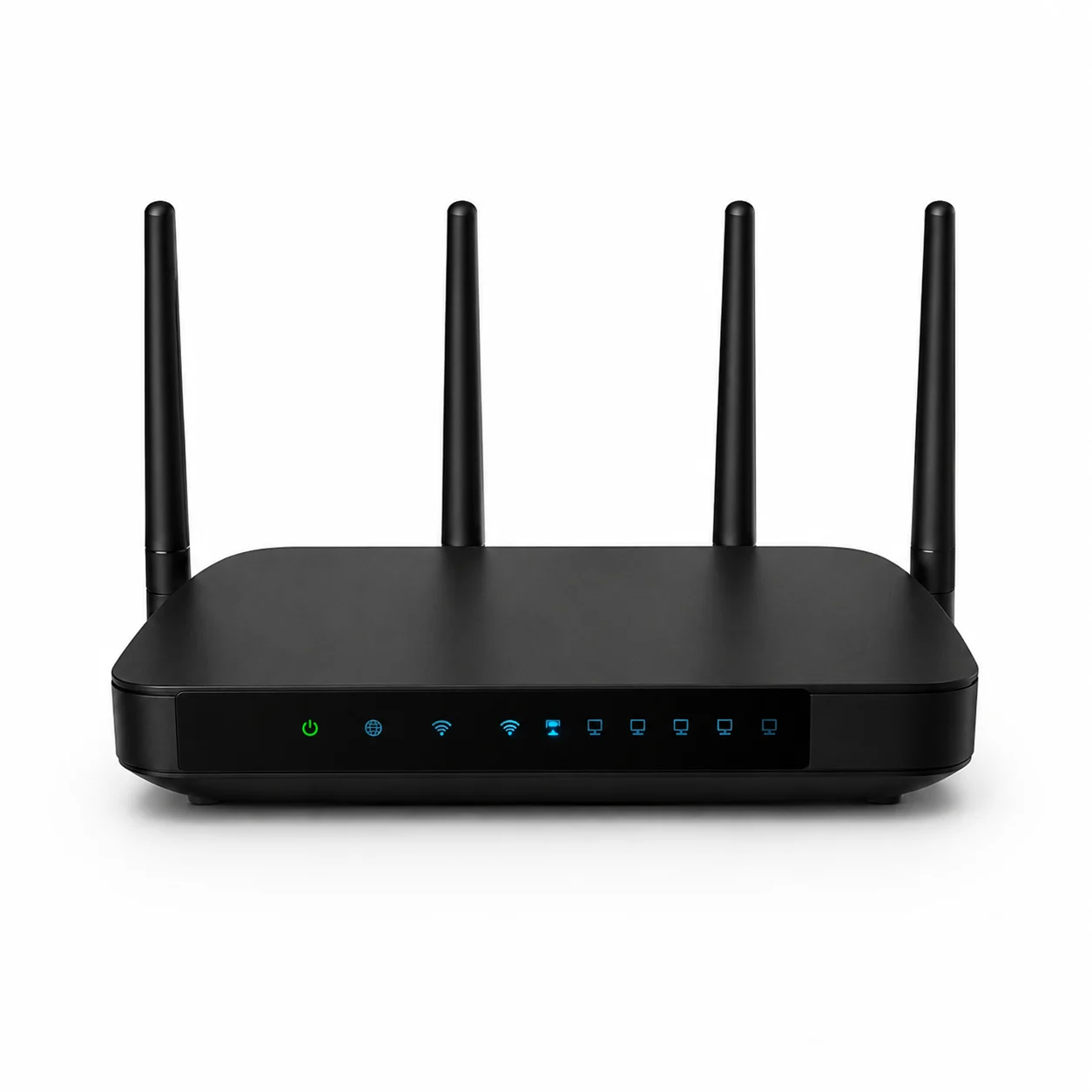
Electronics
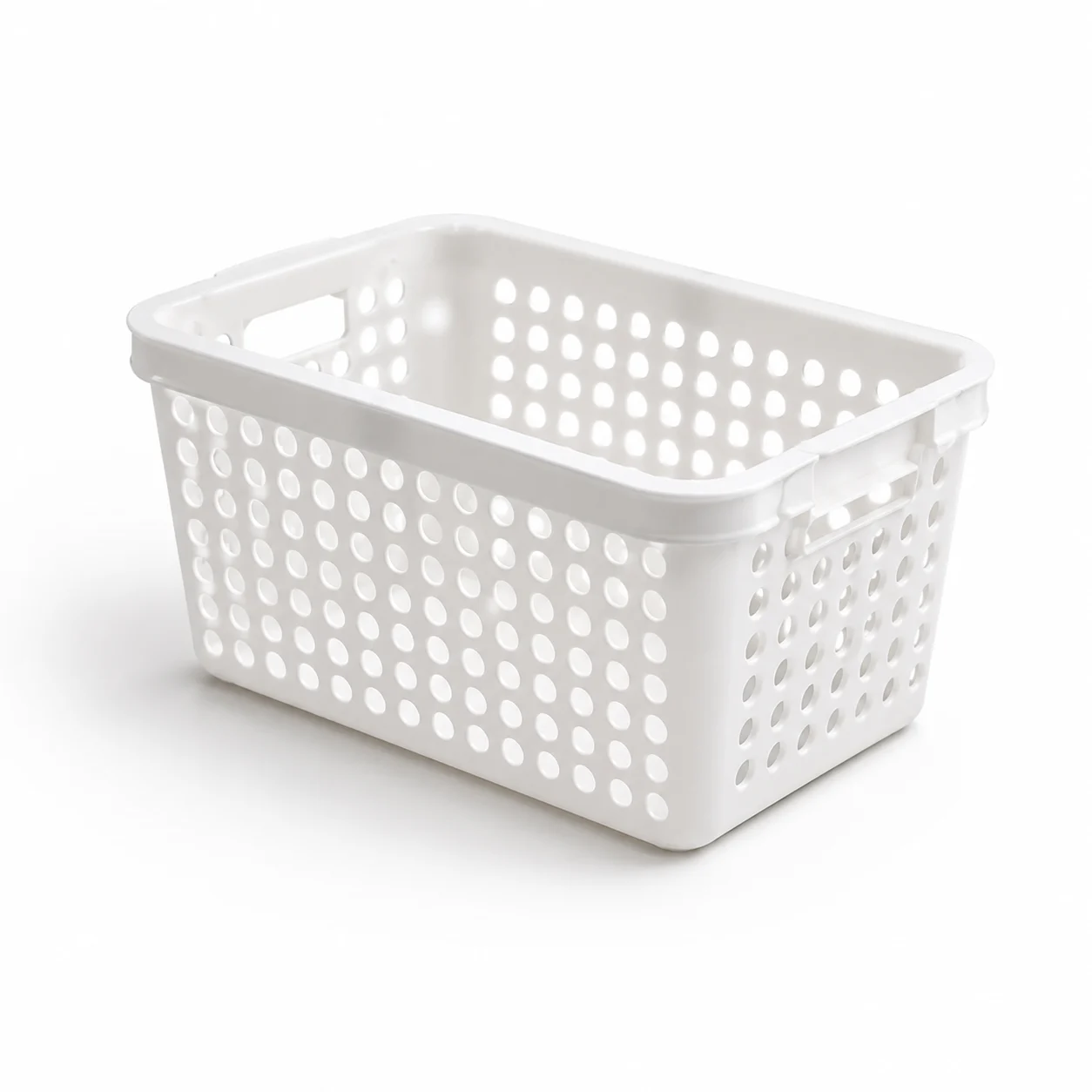
Houseware
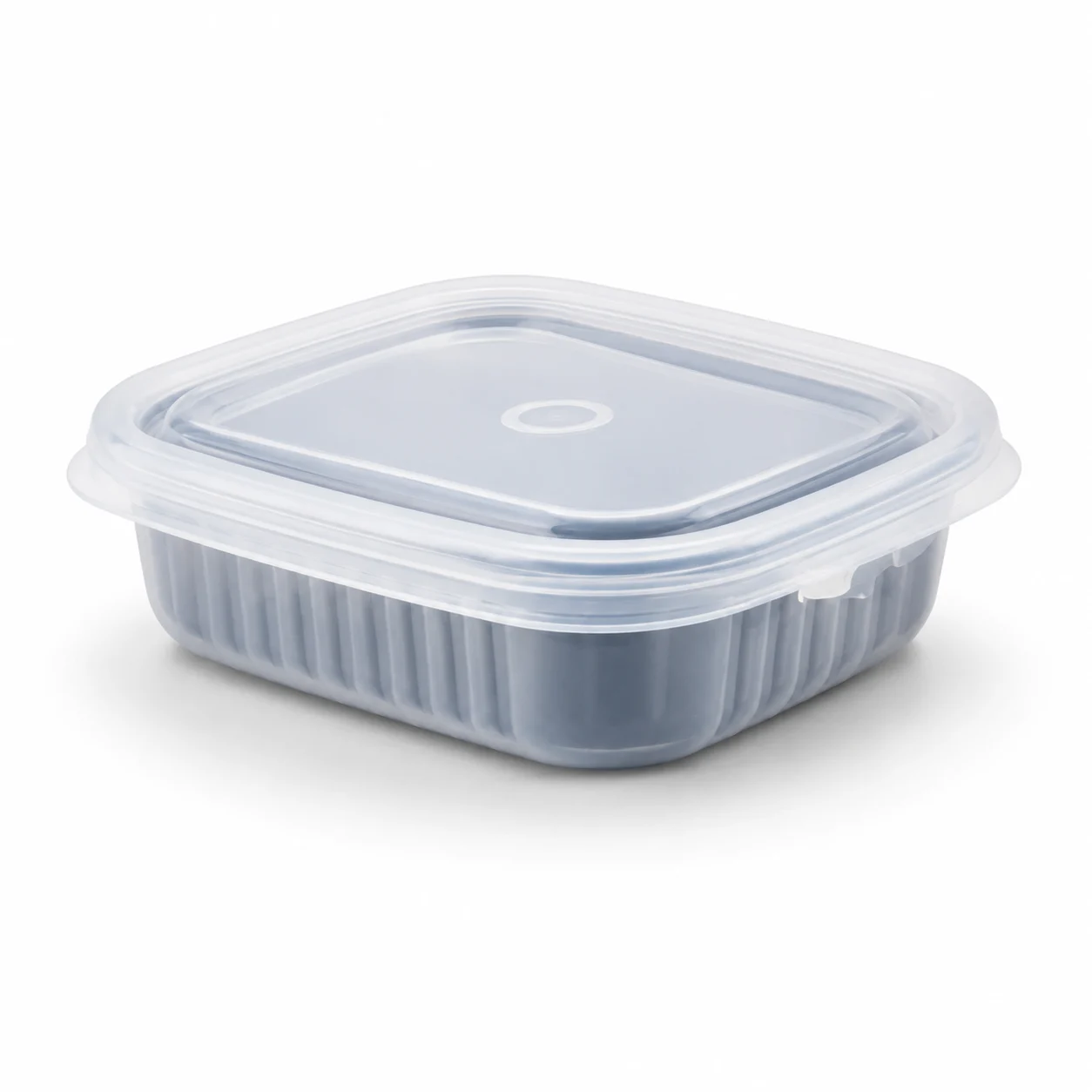
Kitchenware
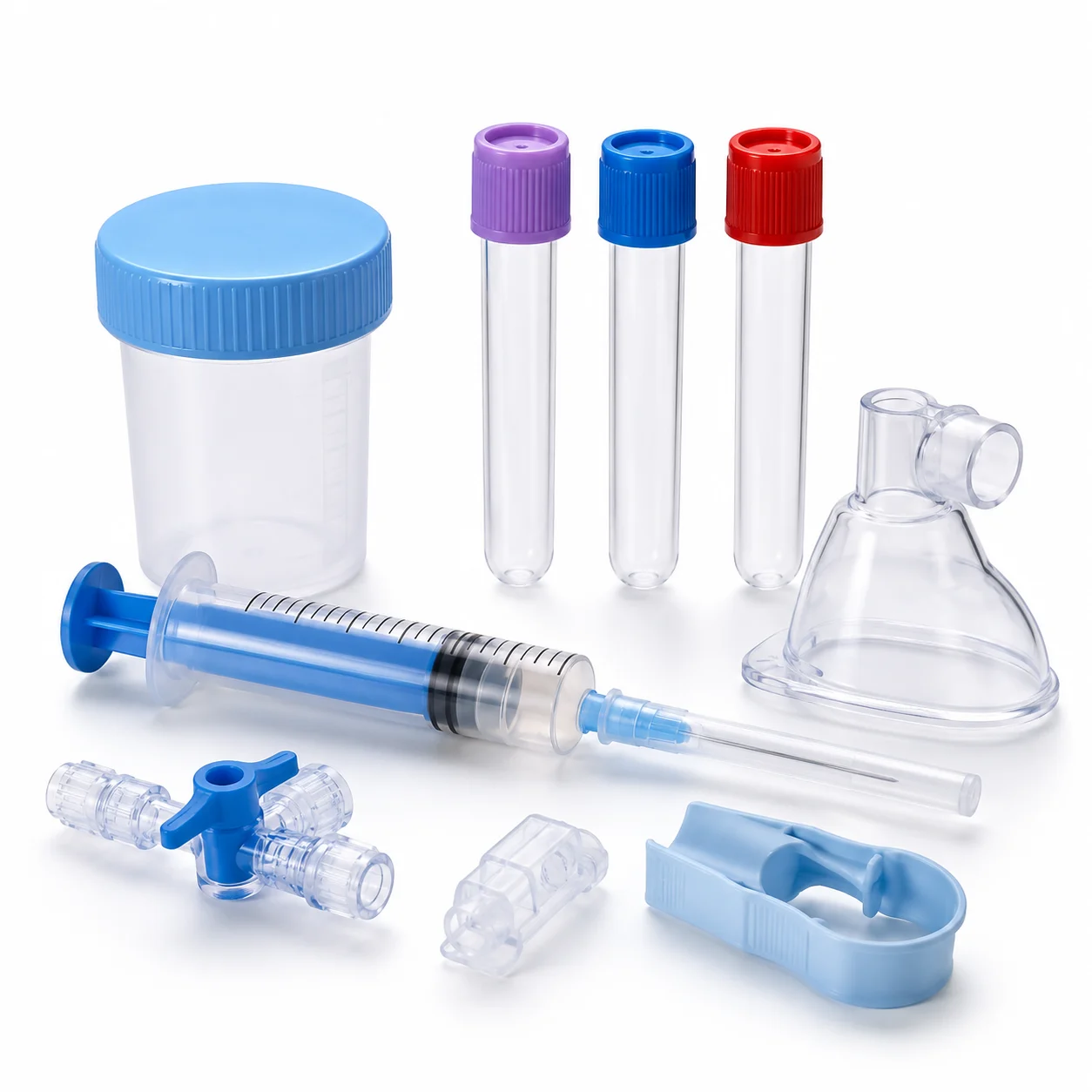
Medical
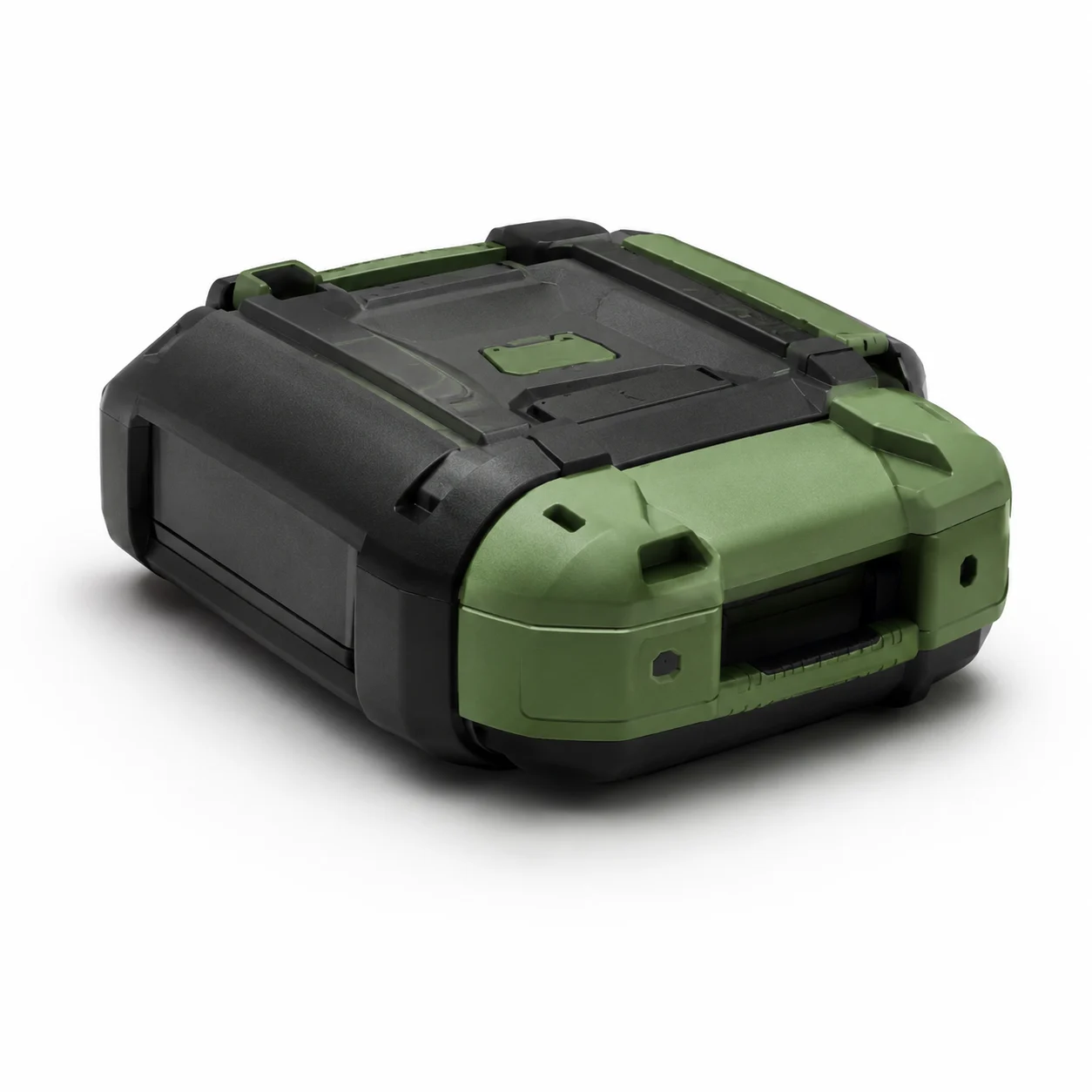
Outdoor & Sports
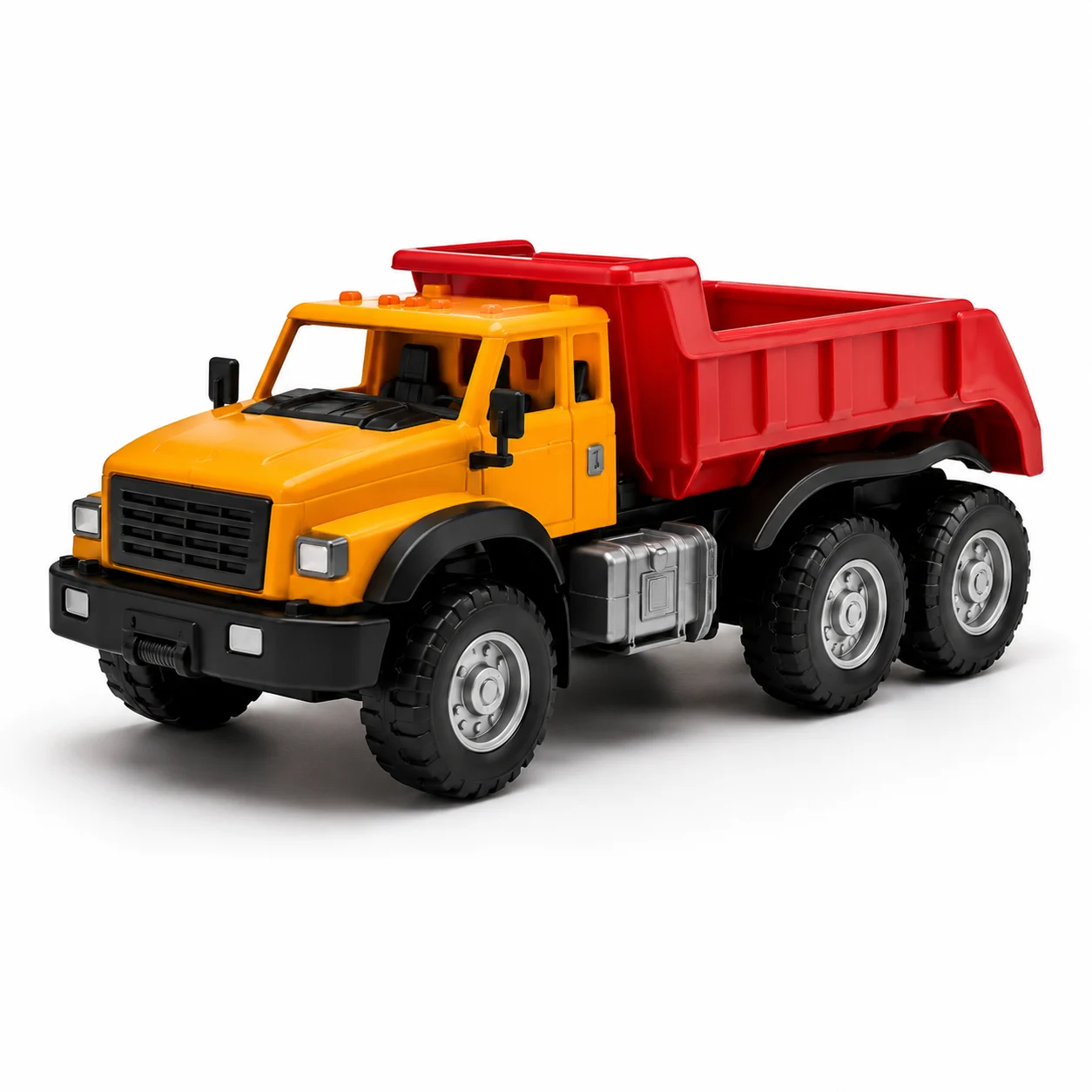
Toys & Recreation
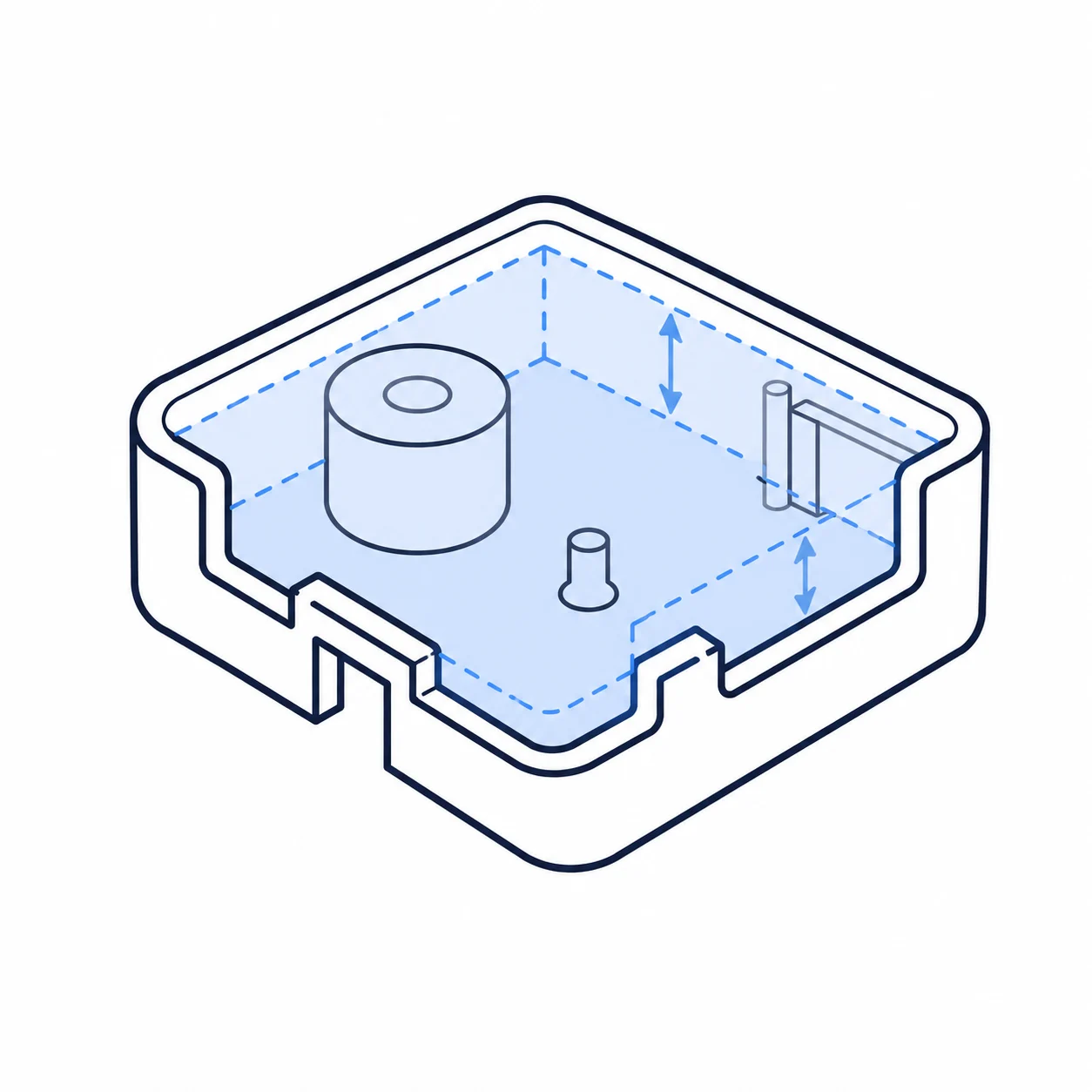
Other Industries
FAQ
Frequently Asked Questions
Start Your Prototyping Project
Send us your 3D file or describe your part — our engineers will review it and respond within 24 hours.
Your files and information are kept strictly confidential. We never share your data with third parties.