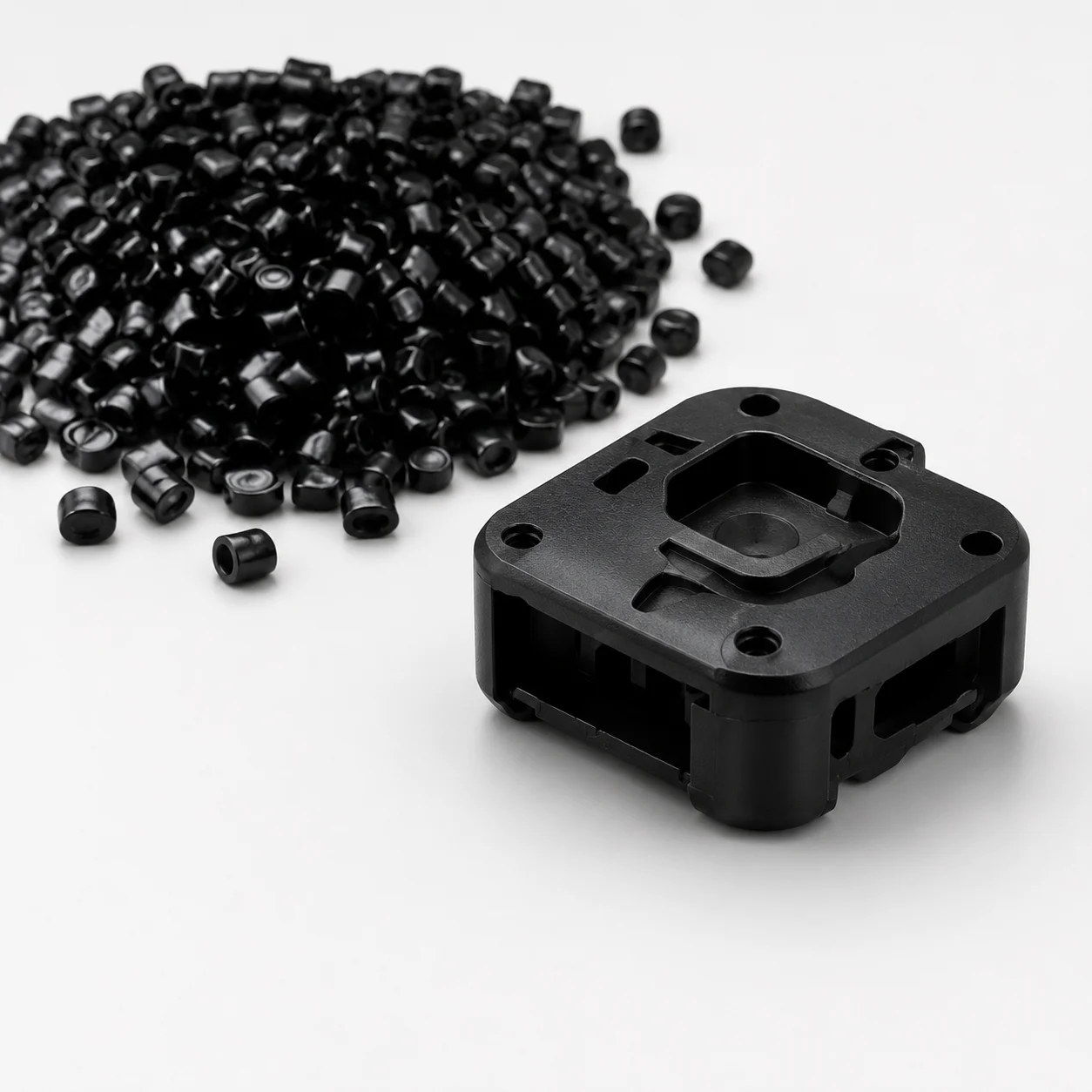
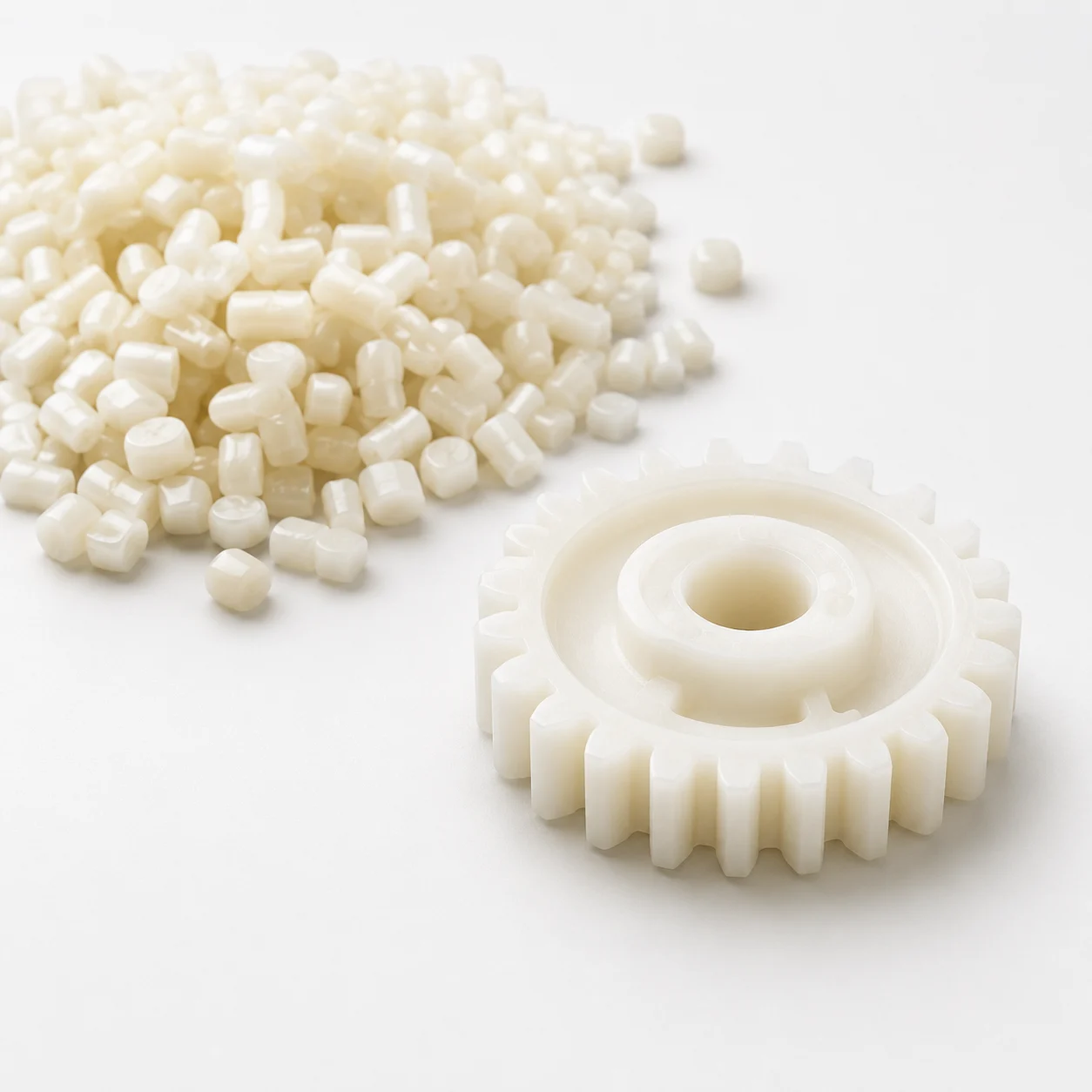
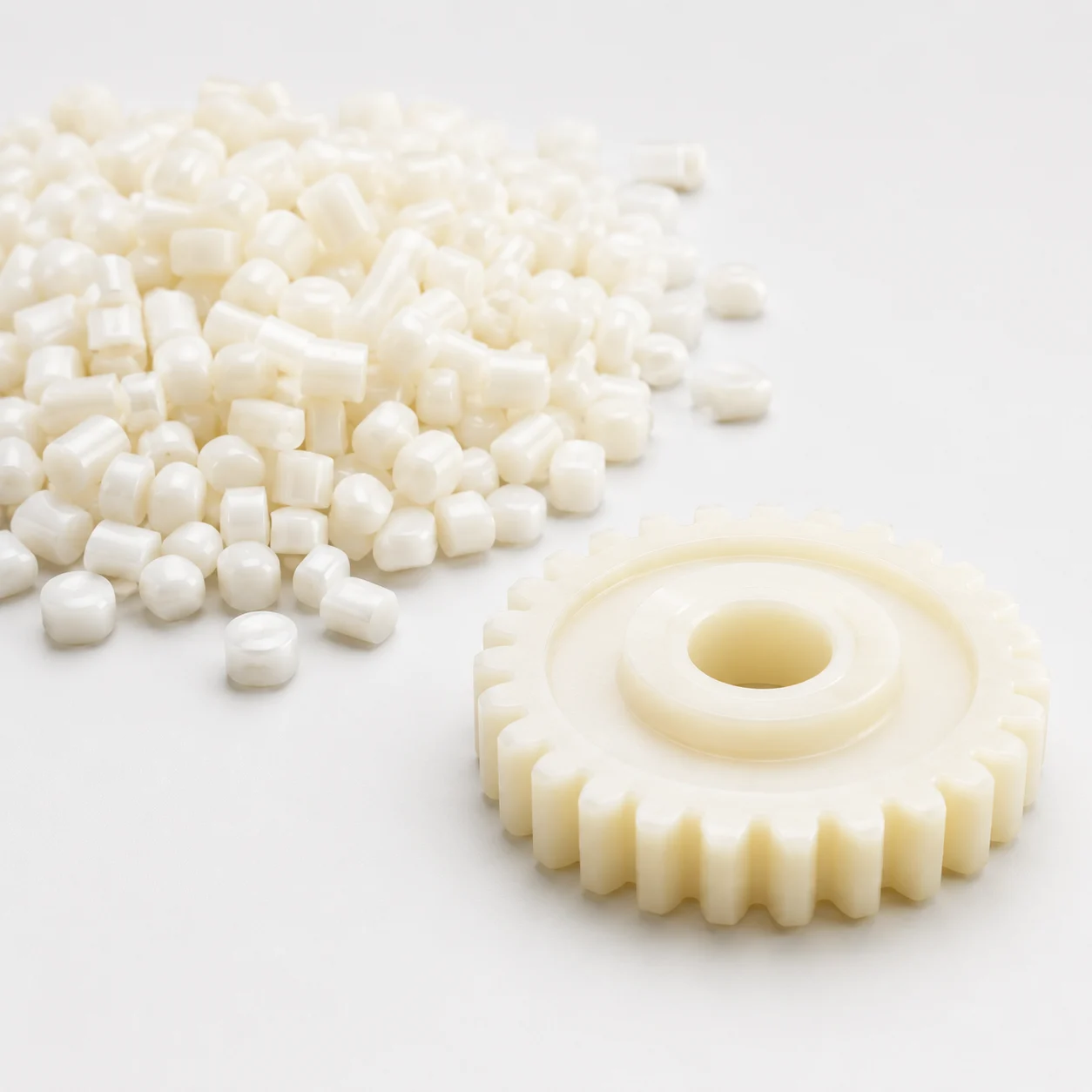
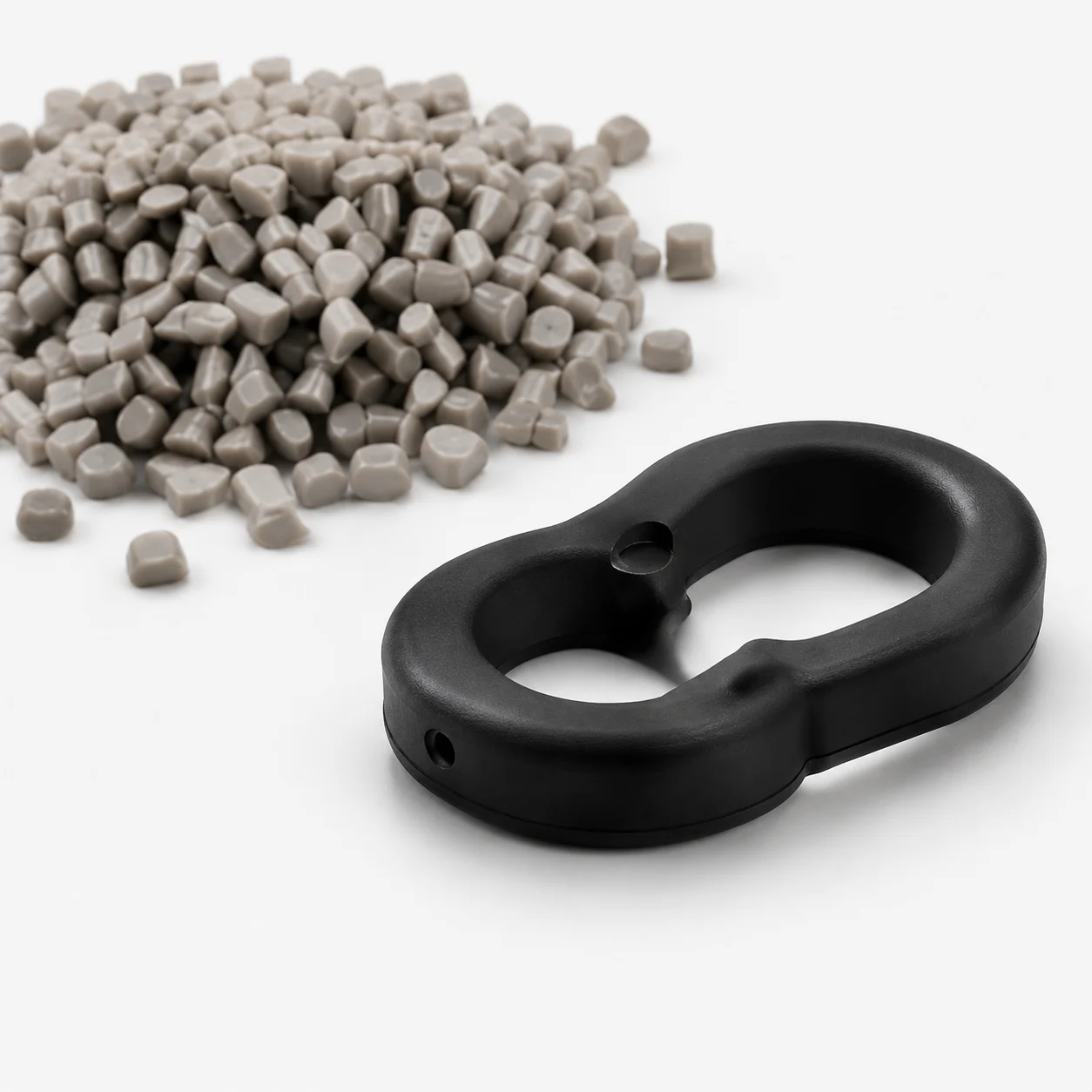
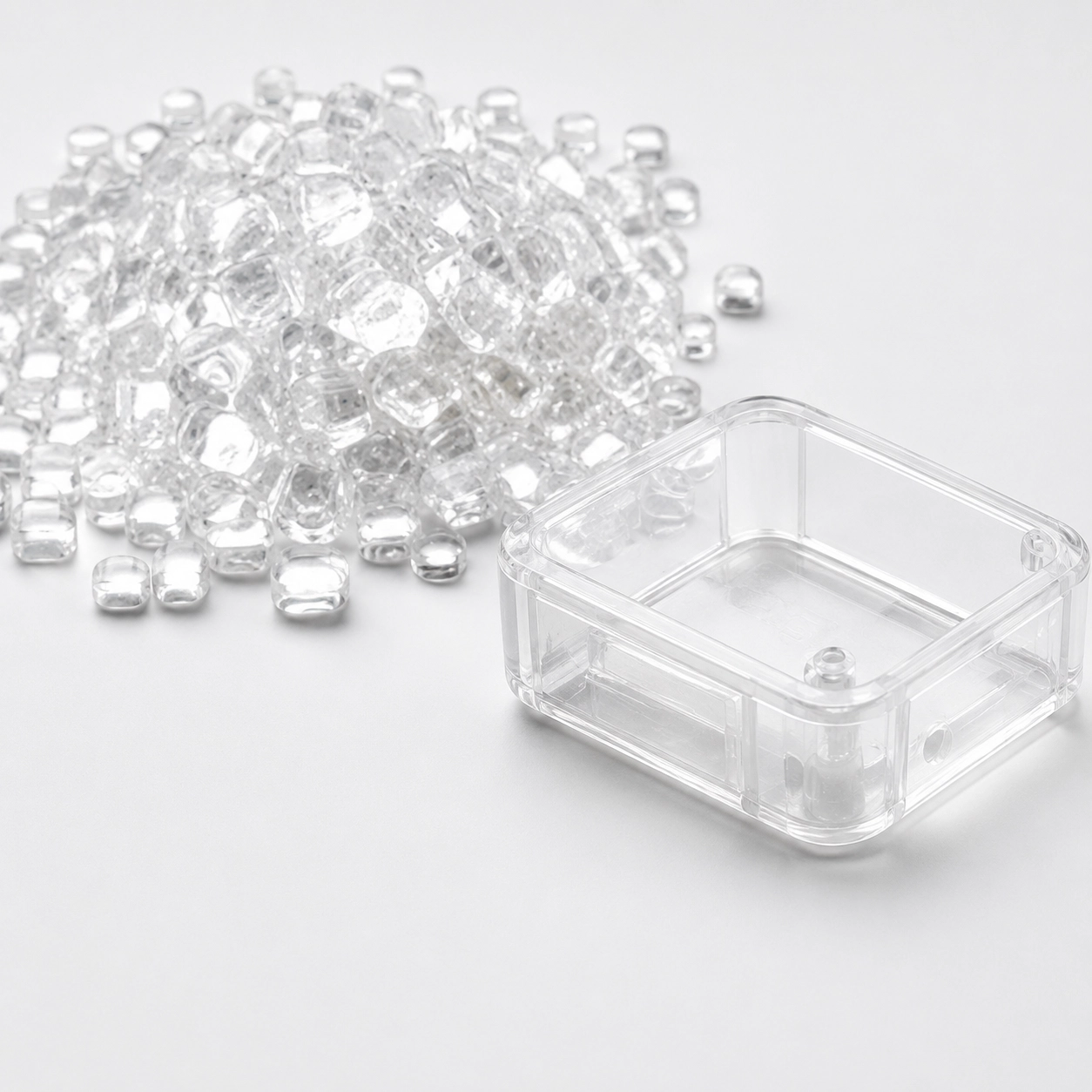
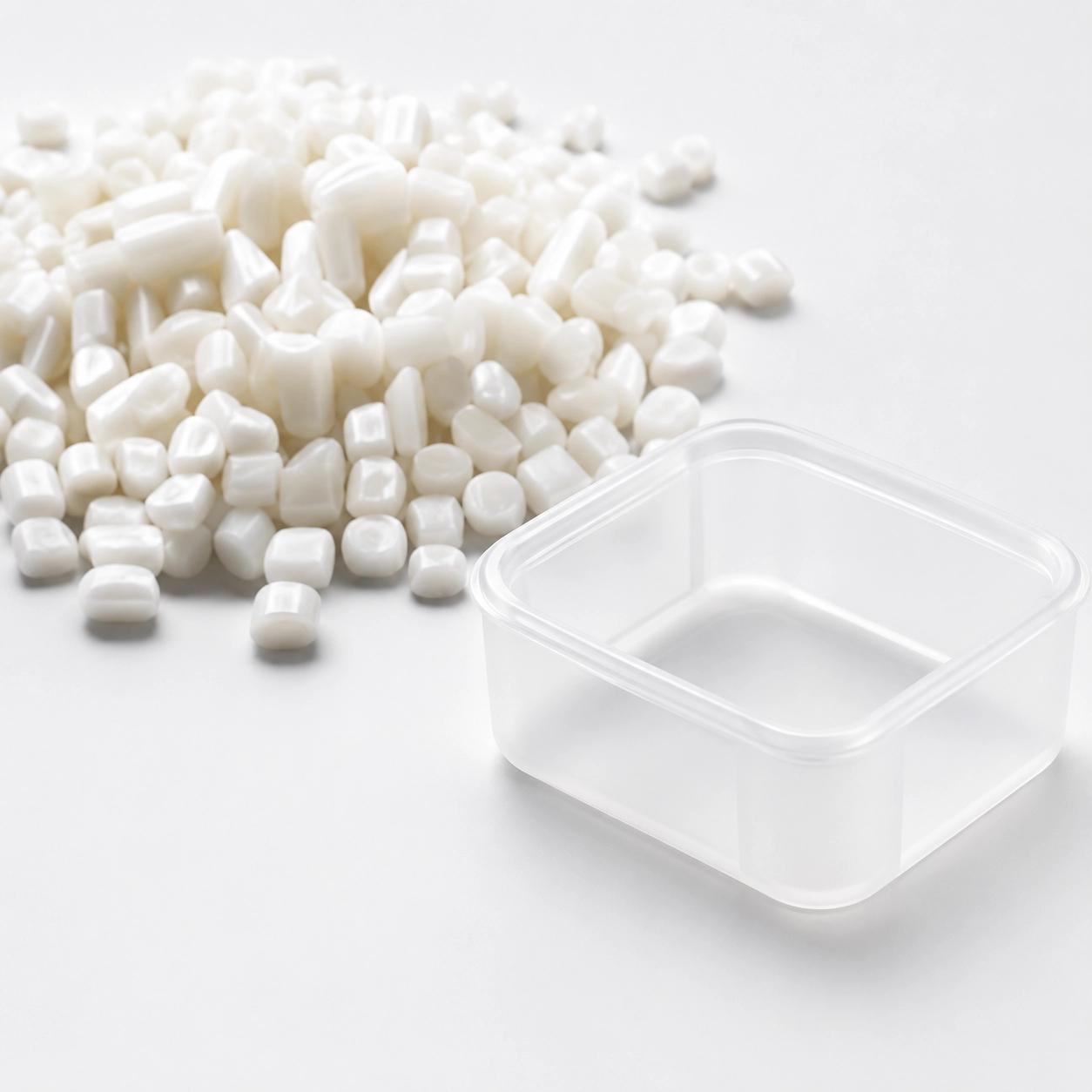
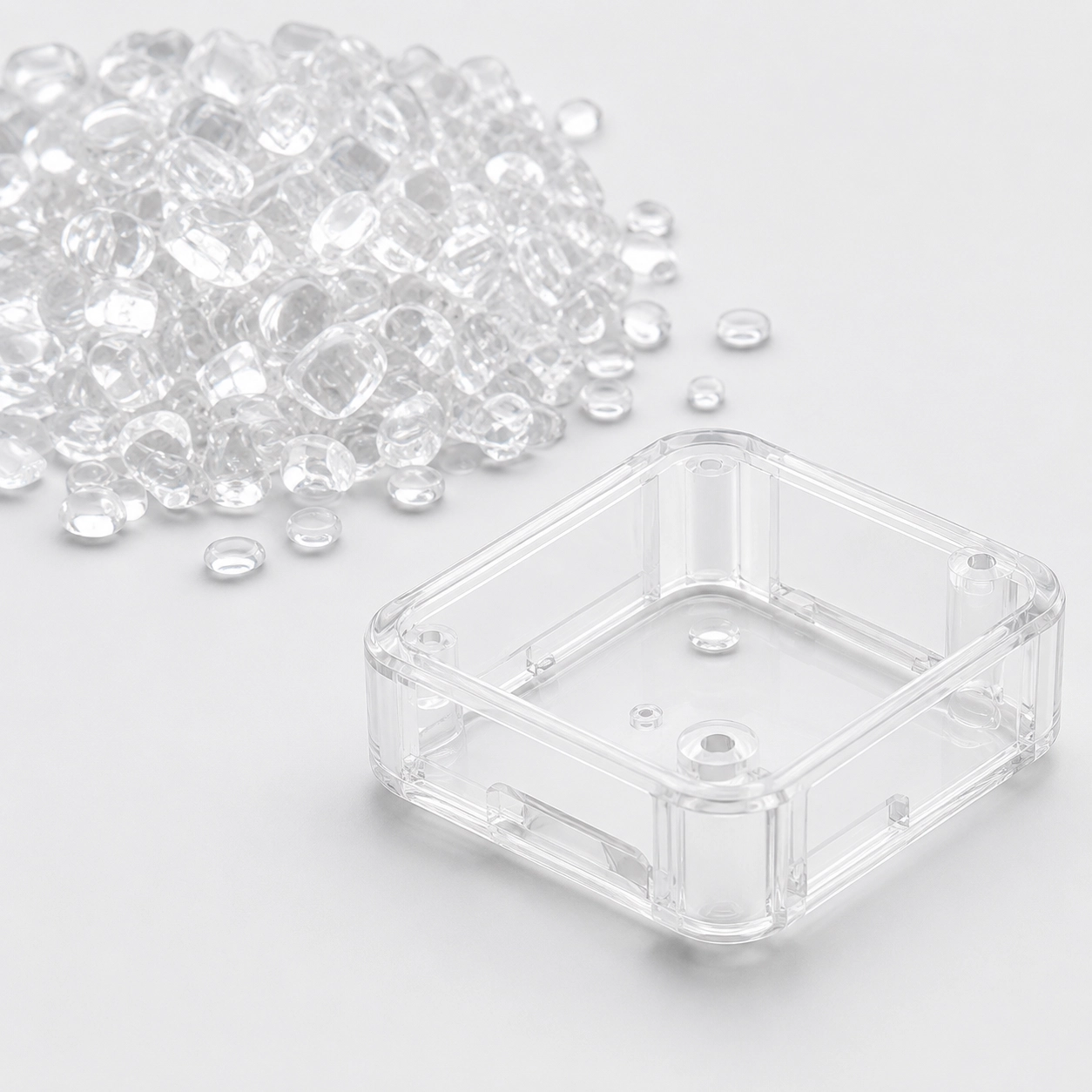
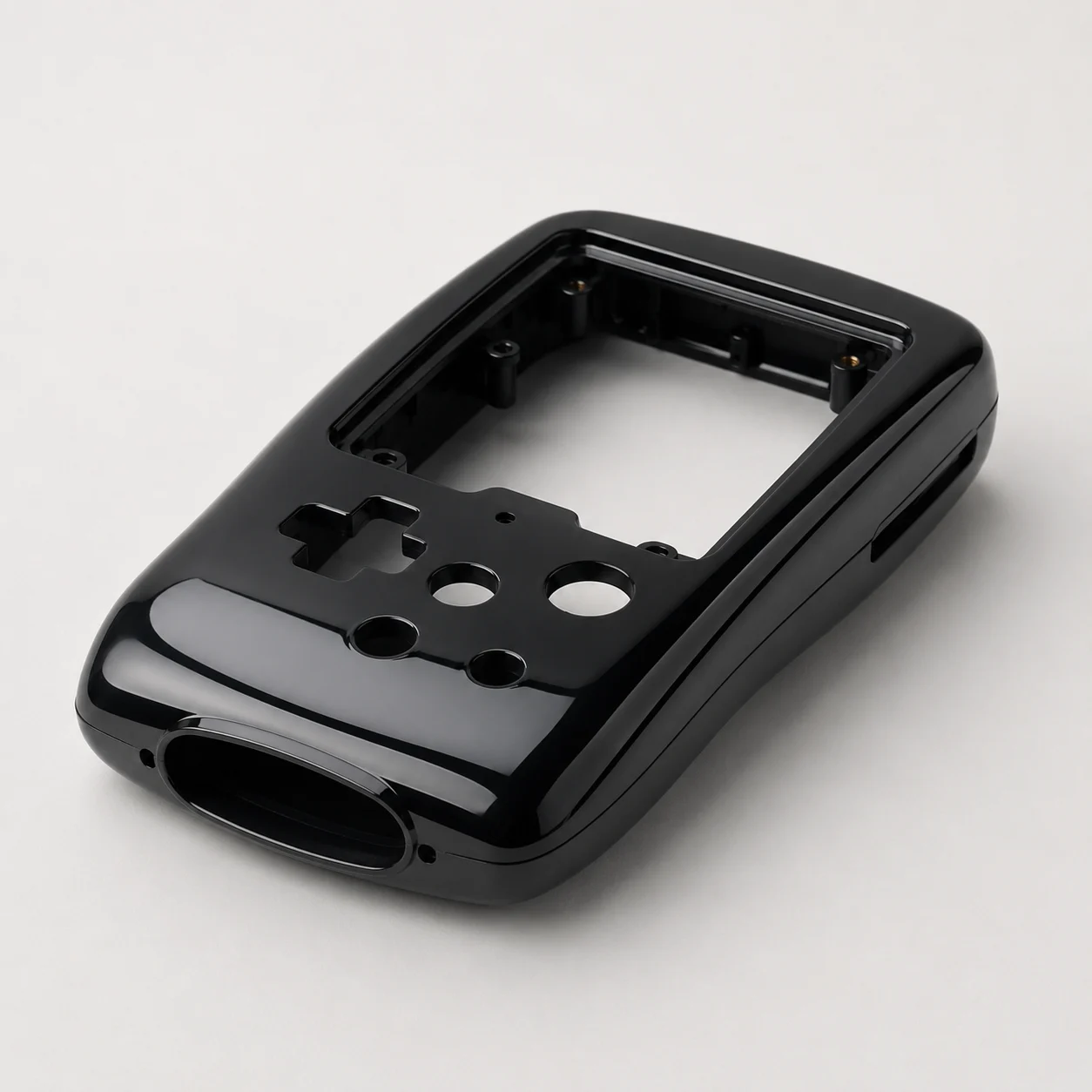
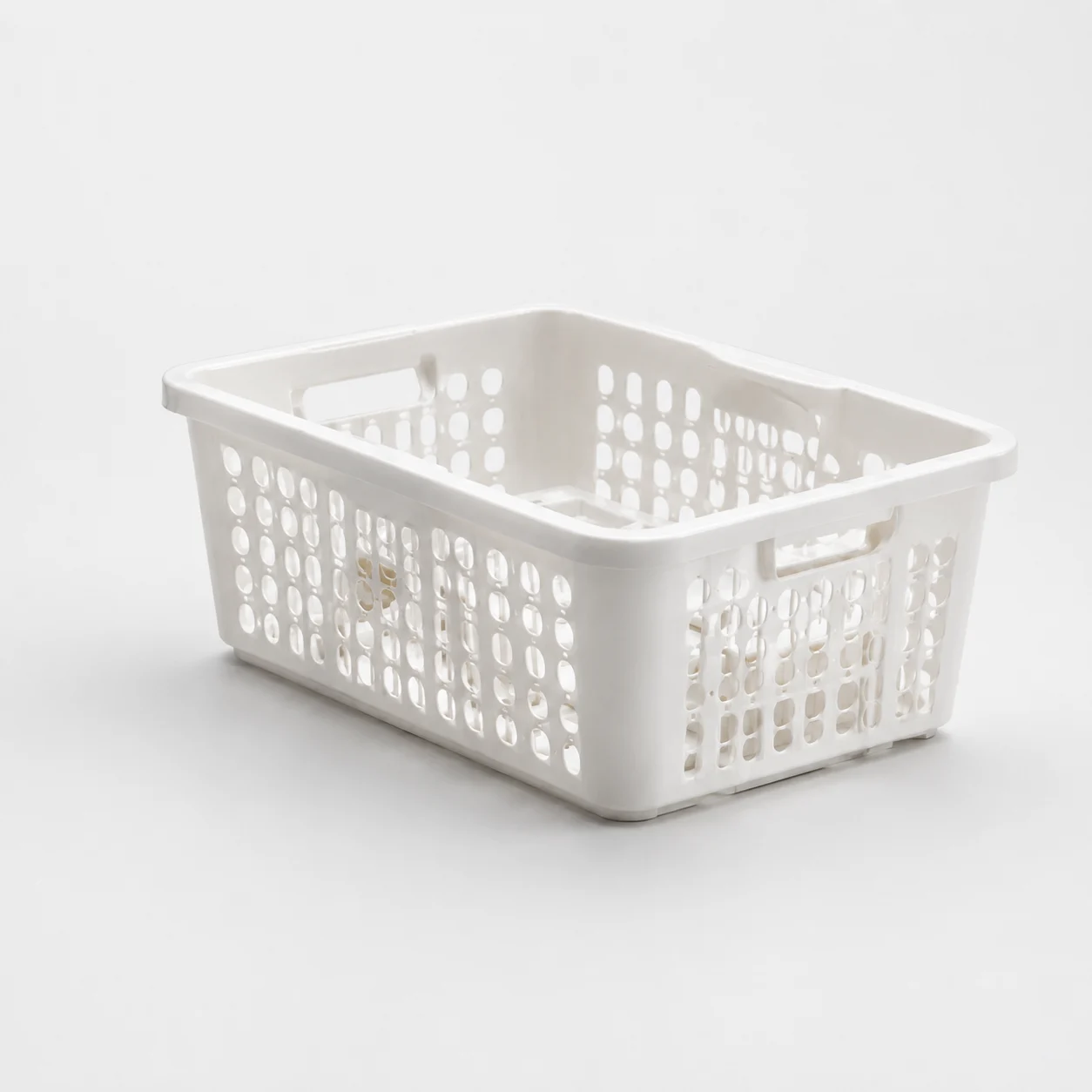
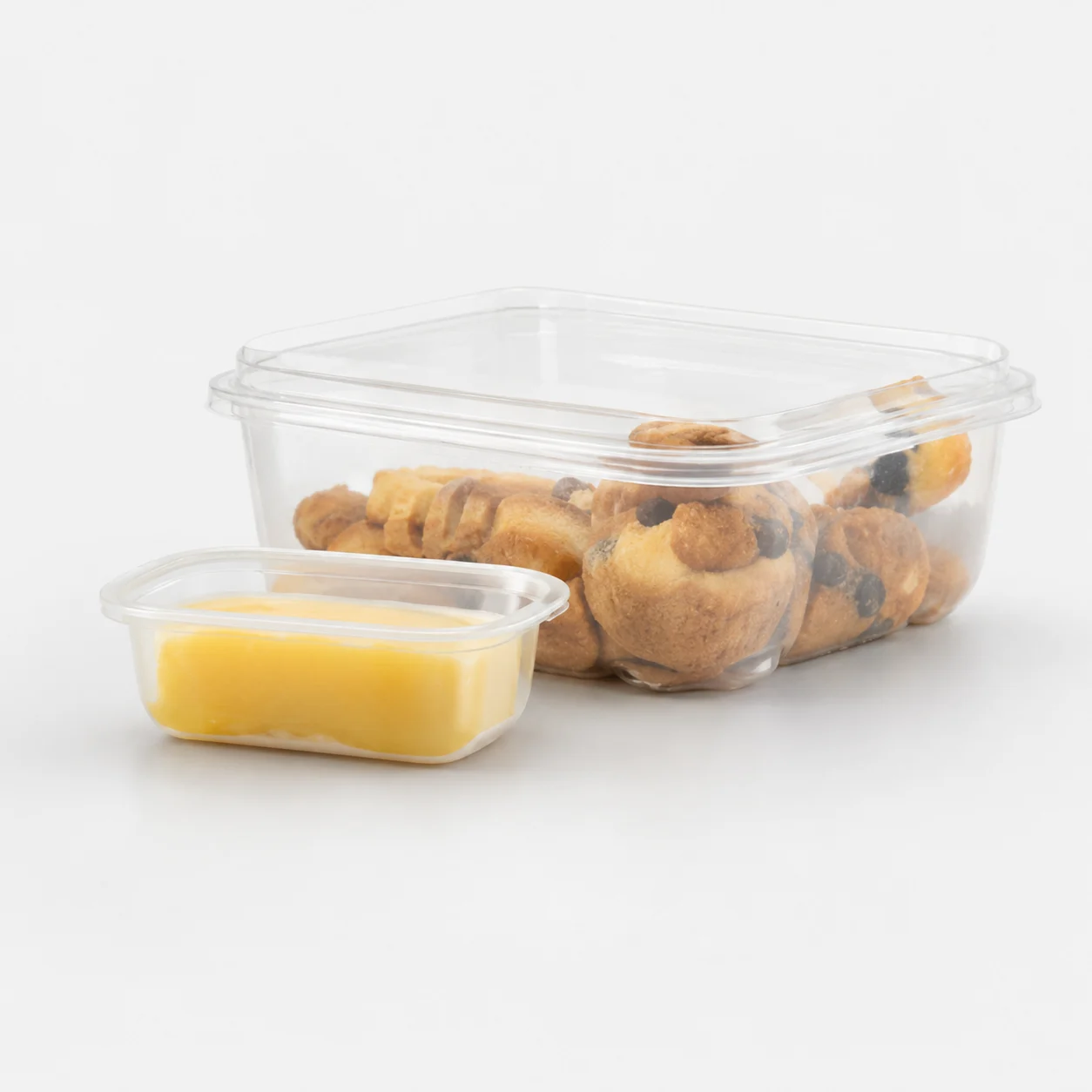
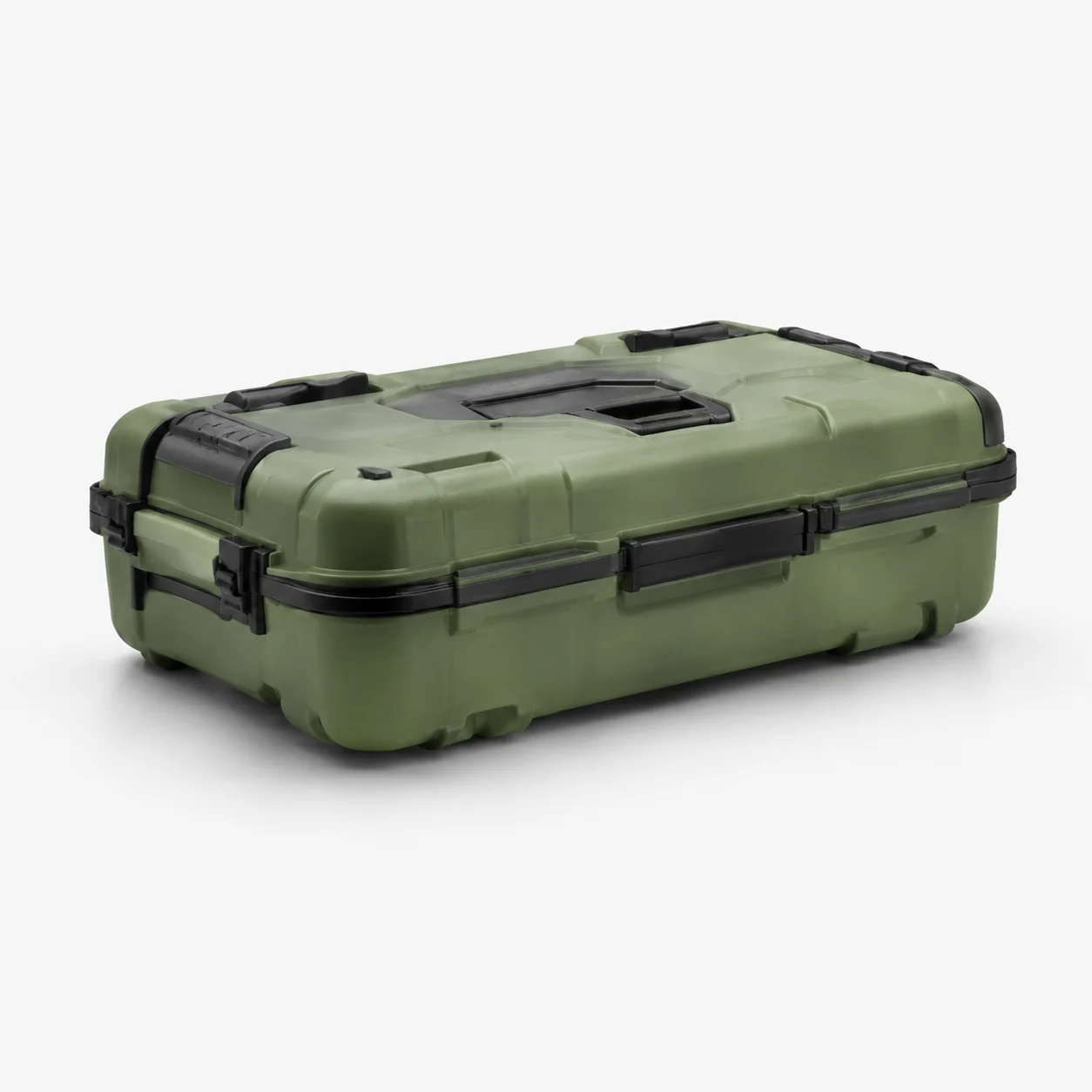
Choosing the right plastic material depends on the part’s function, working environment, strength requirements, appearance, cost target, and production volume. Common factors include heat resistance, impact strength, flexibility, chemical resistance, dimensional stability, surface finish, and whether the part needs to meet food-grade, medical-grade, flame-retardant, or UV-resistant requirements.
Common injection molding materials include ABS, PP, PE, PC, PA Nylon, POM, PMMA, PVC, TPE, TPU, PBT, and PC/ABS. Each material has different advantages. For example, ABS is widely used for strong and cosmetic plastic housings, PP is lightweight and cost-effective, PC offers high impact resistance, and Nylon provides excellent strength and wear resistance.
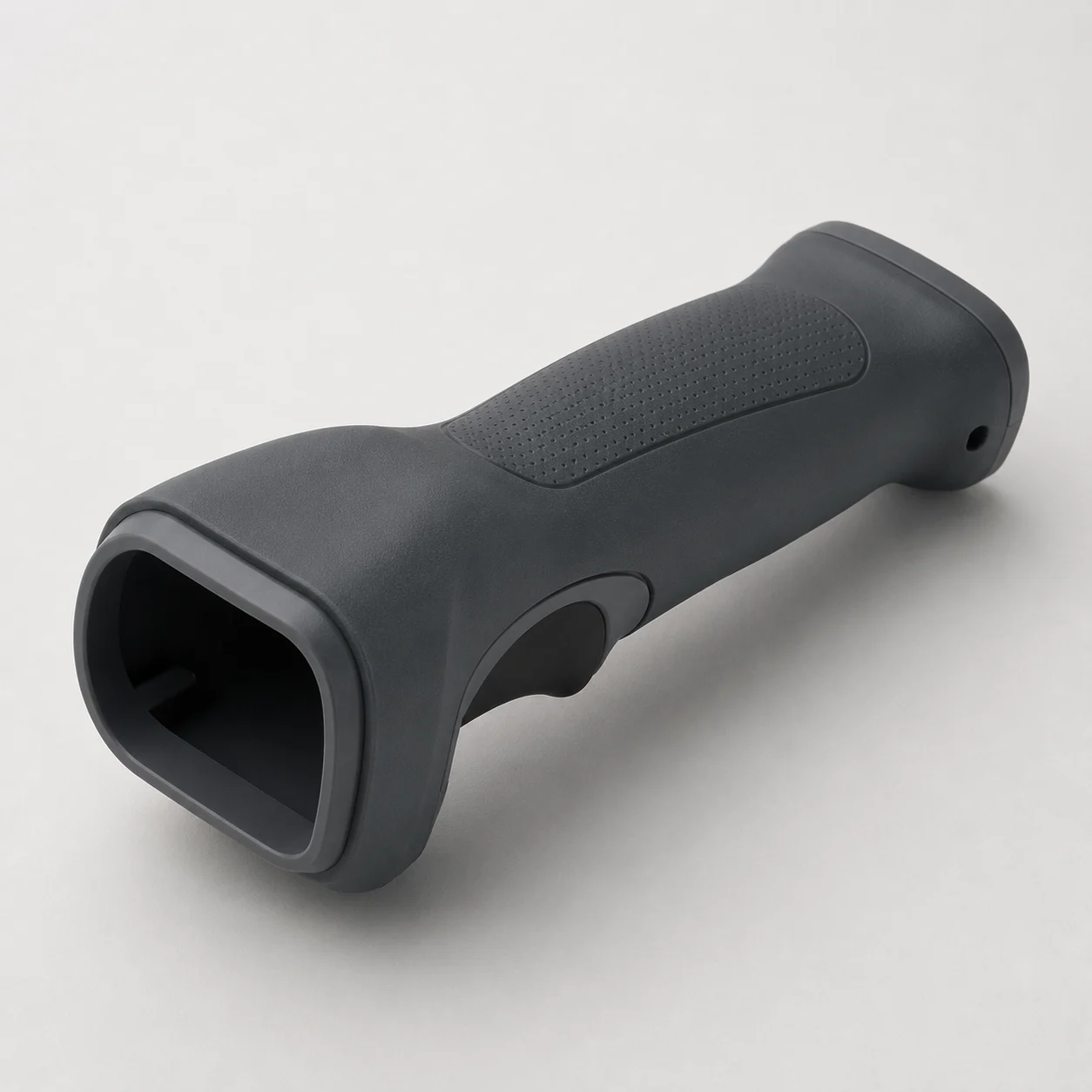
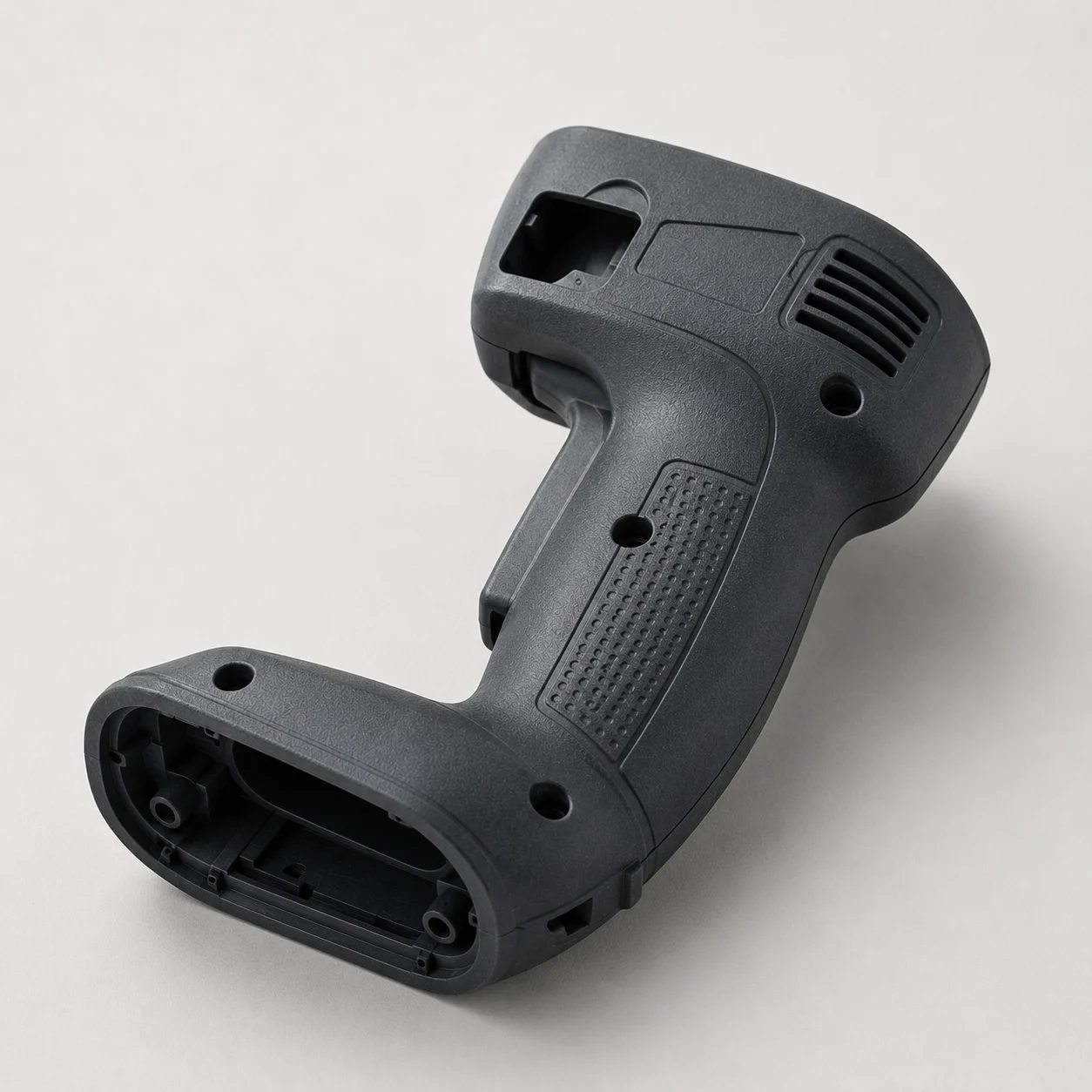
For strong and durable plastic parts, materials such as PC, PA Nylon, POM, PBT, and glass-filled plastics are commonly selected. The best choice depends on whether the part needs impact resistance, wear resistance, high temperature resistance, or mechanical strength. Our team can recommend suitable engineering plastics based on your product drawings, samples, or application requirements.
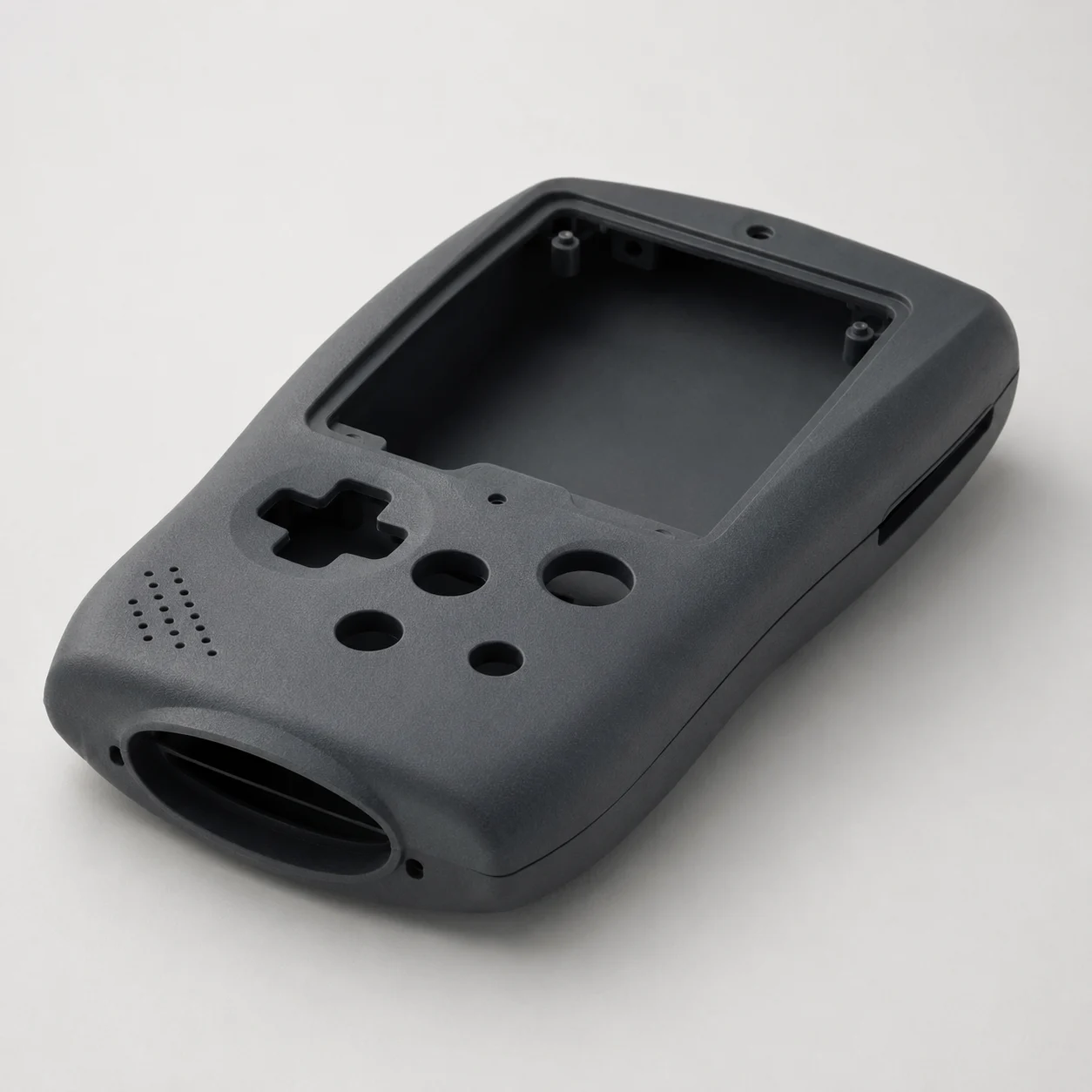
ABS, PC, PC/ABS, and flame-retardant plastics are commonly used for electronic housings. These materials provide good dimensional stability, impact resistance, surface quality, and electrical insulation. For products that require higher safety standards, UL94 flame-retardant grades can also be selected.
Medical plastic parts often use medical-grade PP, PE, PC, ABS, PMMA, POM, or TPE, depending on the application. Material selection should consider biocompatibility, cleanliness, dimensional accuracy, transparency, chemical resistance, and sterilization requirements. For medical injection molding projects, material certificates and compliance documents may also be required.
Food-grade PP, PE, PC, PET, Tritan, and certain grades of ABS or TPE can be used for food-contact plastic parts. The final material should meet the required standards such as FDA, LFGB, or other market-specific regulations. We can help select suitable food-grade materials for kitchenware, containers, utensils, and household products.
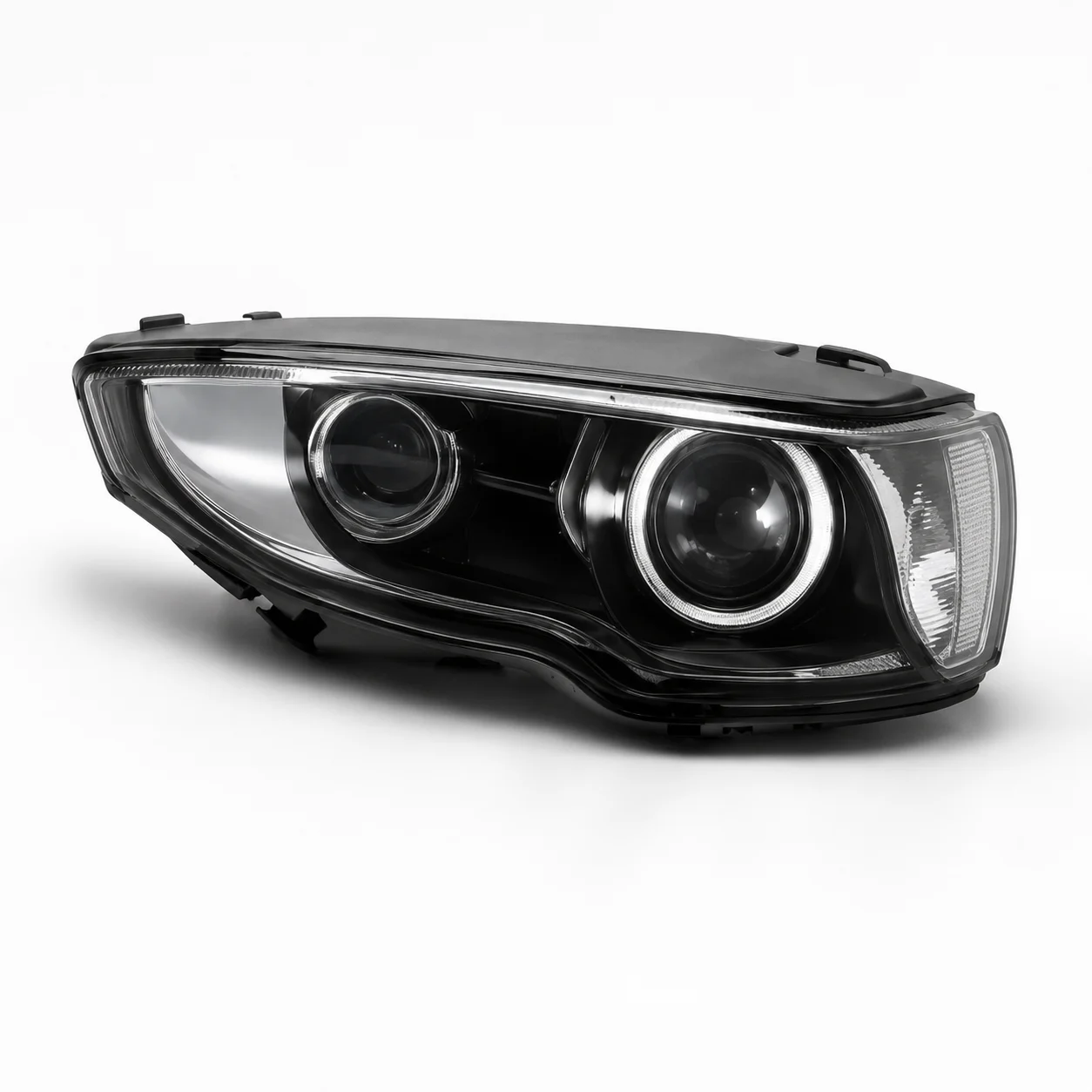
Outdoor plastic parts usually require UV resistance, weather resistance, impact resistance, and temperature stability. ASA, UV-stabilized ABS, PC, PA, PP, and modified engineering plastics are commonly used. For outdoor enclosures, garden products, electrical housings, and automotive exterior parts, UV additives and weather-resistant grades are often recommended.
Yes. In many projects, engineering plastics such as PA Nylon, POM, PC, PBT, or glass-filled materials can replace metal parts to reduce weight, cost, and assembly complexity. We will evaluate strength, wear resistance, heat resistance, tolerance, and load-bearing requirements before recommending a plastic material replacement solution.
Plastic material selection directly affects mold design, gate location, shrinkage rate, cooling system, wall thickness, draft angle, texture, and tolerance control. Different plastics have different flow behavior and shrinkage characteristics, so the mold must be designed according to the selected material to ensure stable production and part quality.
Material cost is an important part of injection molding cost. Commodity plastics such as PP and PE are usually more cost-effective, while engineering plastics such as PC, PA, POM, and PBT may cost more but provide better performance. The right material should balance performance, appearance, production stability, and total project cost.