
;
Engineering Service

Product Design, Reverse Engineering & DFM

SunpeakMold provides end-to-end engineering support — from concept sketches and reverse modeling to DFM analysis — ensuring your plastic parts are optimized for injection molding before a single steel cut is made.
Why It Matters

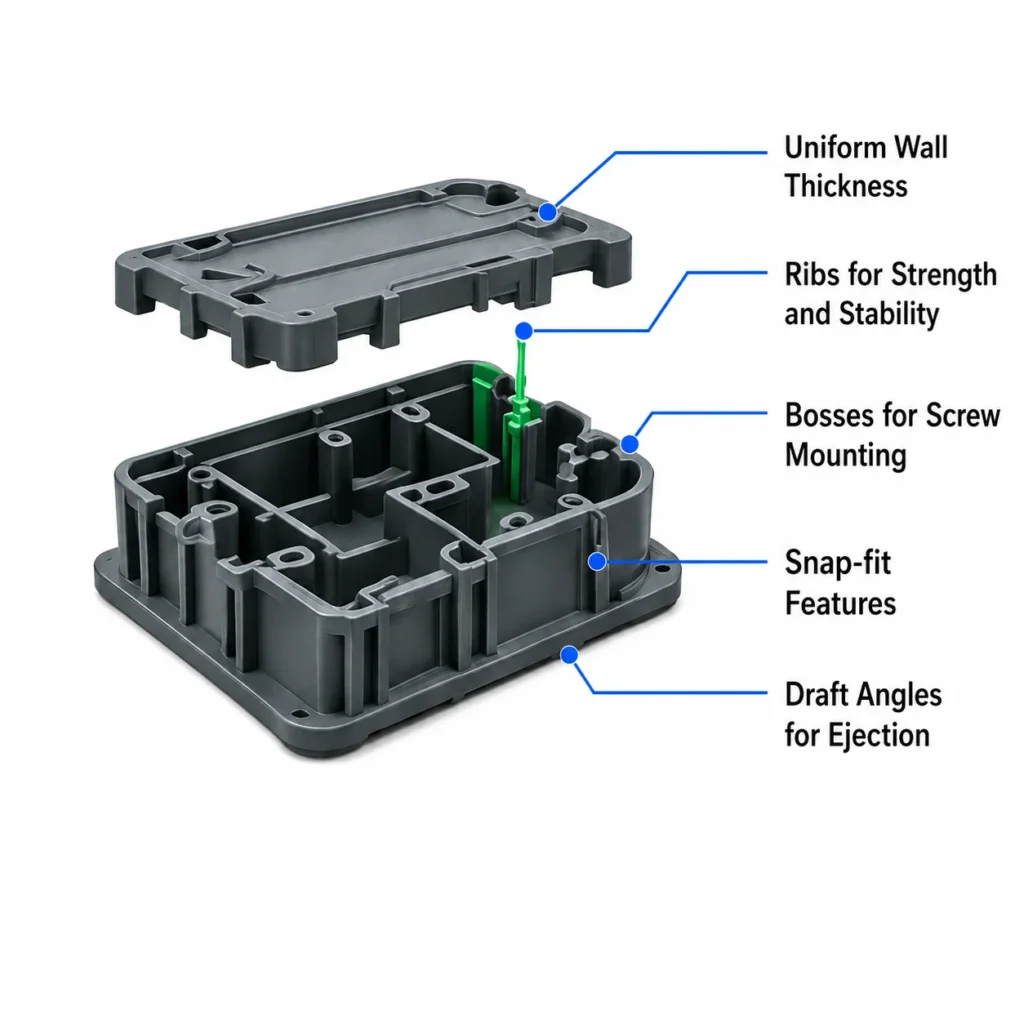
Good Molds Start with Good Design

At SunpeakMold, we don’t just build molds — we optimize your part design before tooling begins. Our engineering team combines product design expertise, reverse engineering capability, and DFM analysis to eliminate molding defects, reduce tooling costs, and accelerate your time to market.

How We Work

Our 6-Step Engineering Process

A proven workflow that takes your idea from concept to mold-ready design — ensuring every detail is verified before manufacturing begins.

Step 01

Requirement Review

We analyze your product specifications, functional needs, volume targets, and budget to define the optimal engineering approach.

Step 02

Sample & Drawing Check

We review your existing samples, 2D drawings, or 3D files to assess moldability and identify potential improvements.

Step 03

Design & Reverse Modeling

Our engineers create or reconstruct 3D CAD models, optimizing geometry for injection molding from the start.

Step 04

DFM Review

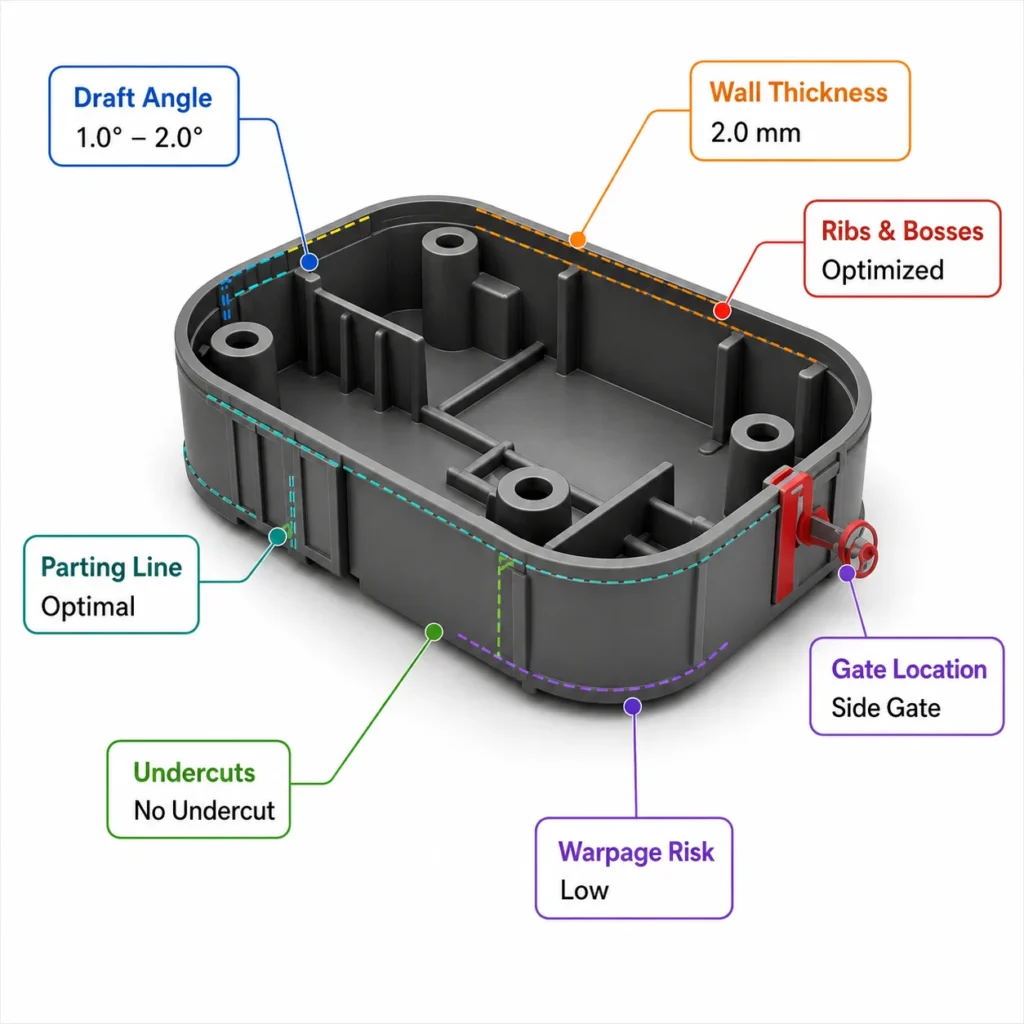
We perform a comprehensive DFM analysis to catch wall thickness, draft angle, undercut, and filling issues.

Step 05

Engineering Suggestions

We deliver actionable recommendations — with clear CAD annotations — to optimize your part for cost, quality, and cycle time.

Step 06

Mold-Ready Confirmation

Final approved design is released with complete 2D/3D documentation, ready for mold design and manufacturing.

DFM Analysis

Design for Manufacturability — Every Detail Checked

Our DFM review covers all critical parameters that affect mold cost, part quality, and production stability.
Industries We Serve

Engineering Support Across Industries

Our design and DFM expertise spans the full range of injection molding applications.

Automotive
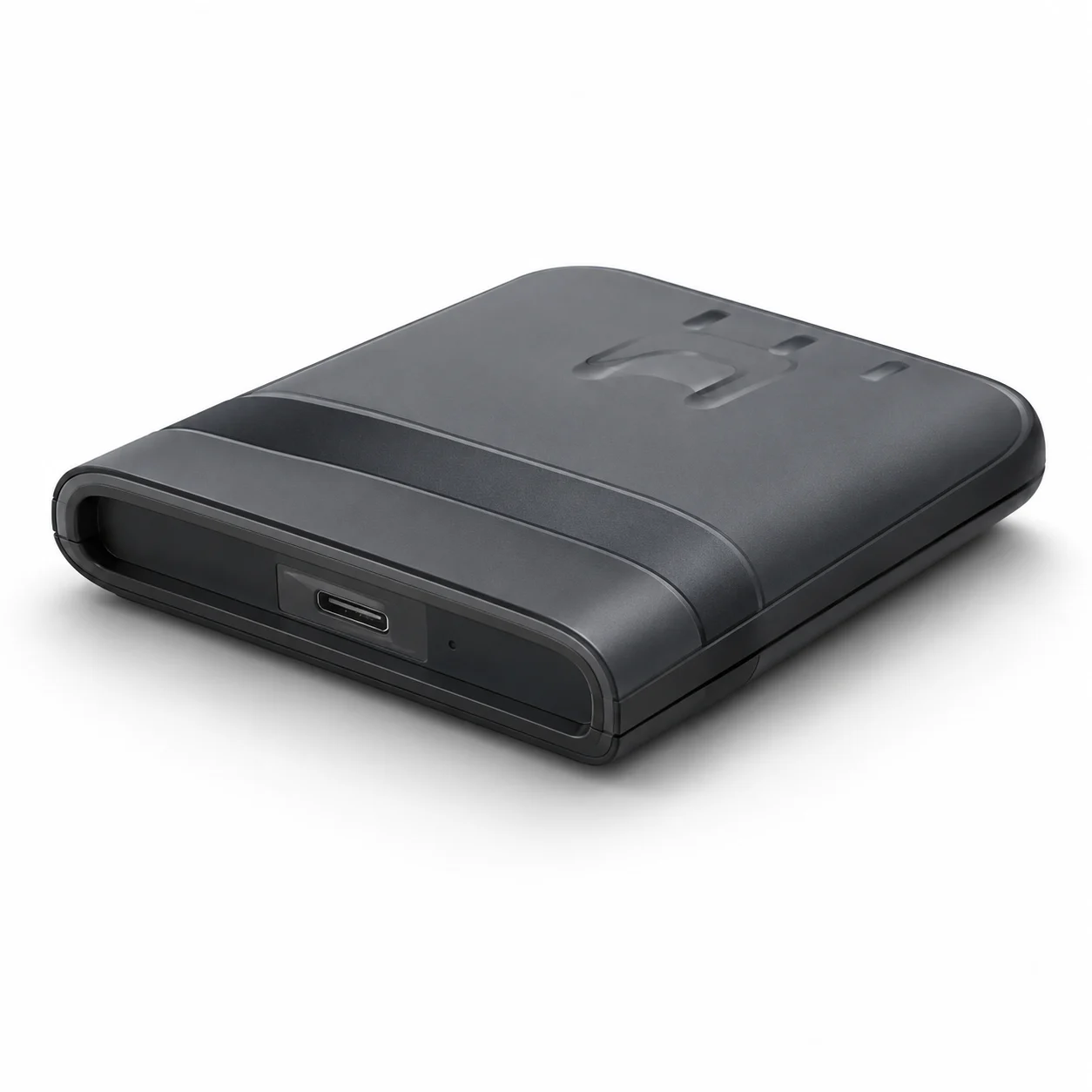
Electronics

Houseware
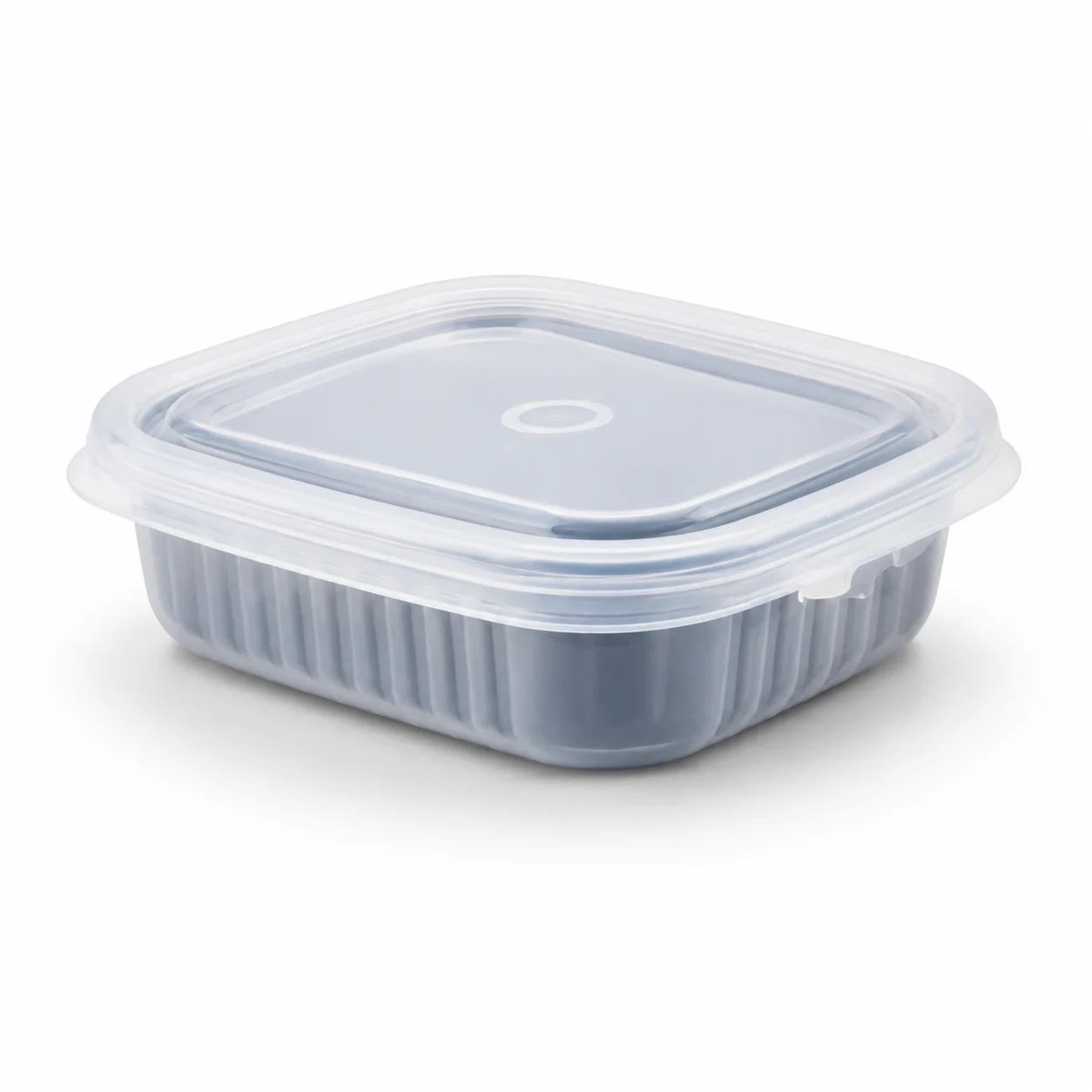
Kitchenware
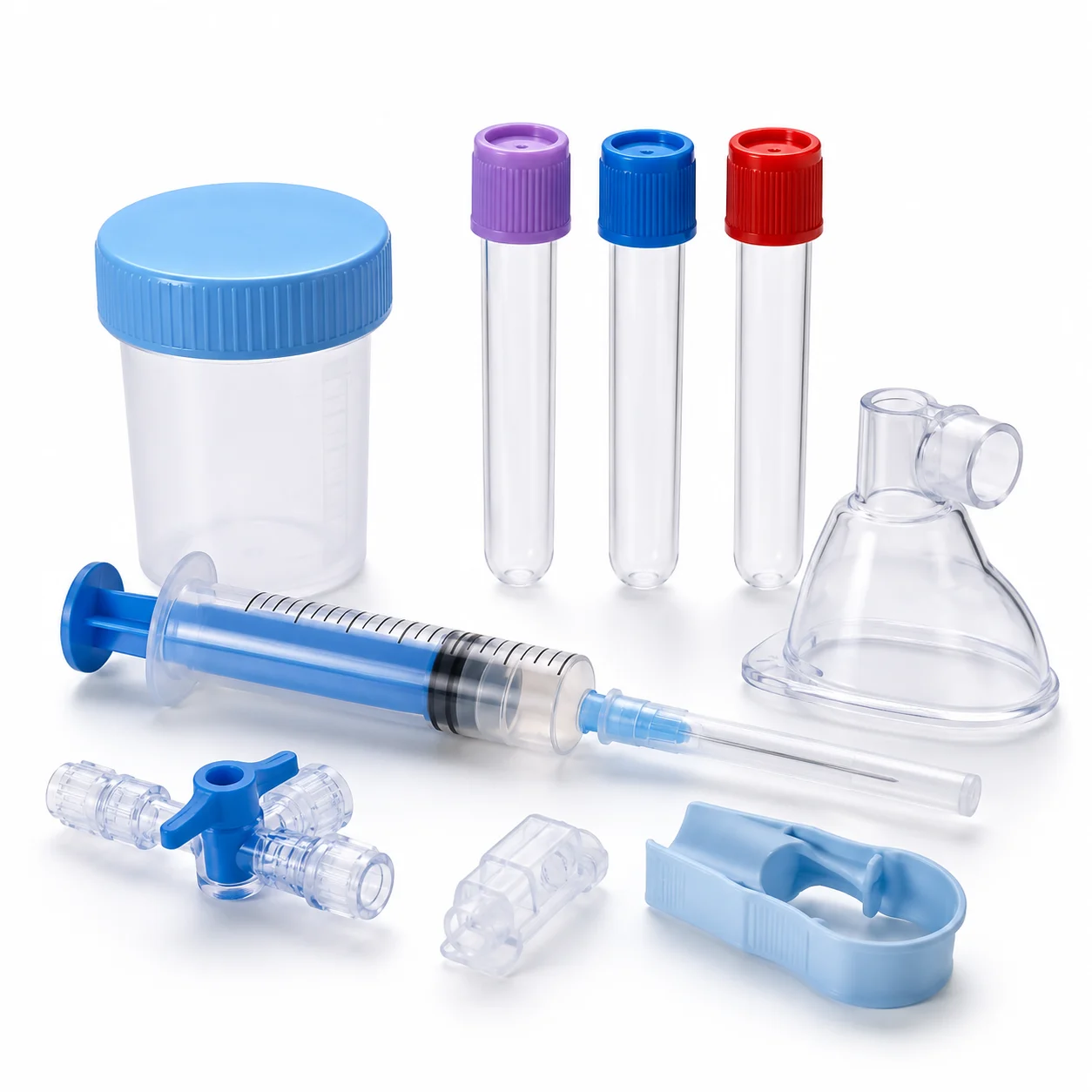
Medical
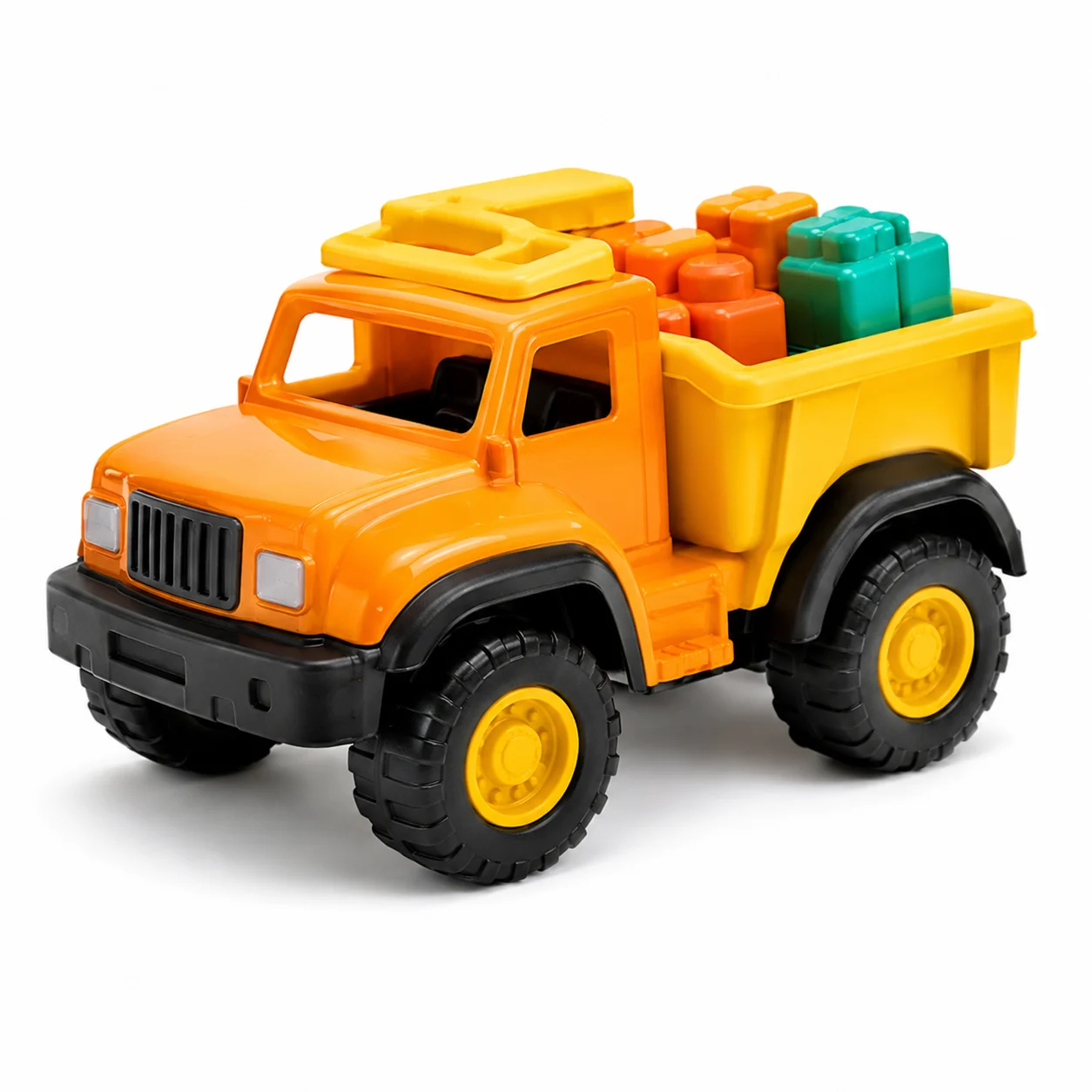
Toys & Recreation

FAQ

Frequently Asked Questions

DFM, or Design for Manufacturing, helps identify potential molding risks before mold making. It can reduce problems such as sink marks, warpage, short shots, weak structures, difficult ejection, high mold cost, and later mold modifications.
A DFM analysis usually reviews wall thickness, draft angle, parting line, gate location, ribs, bosses, undercuts, sliders, lifters, material flow, shrinkage risk, assembly structure, tolerance requirements, and surface appearance requirements.
Yes. We can review your 3D model or drawing and suggest improvements for injection molding. Our goal is to make the part easier to mold, more stable in production, and better suited for long-term mass manufacturing.
Reverse engineering is the process of creating a 3D CAD model, technical drawing, or improved design based on an existing physical sample. It is useful when the original design file is missing, outdated, or needs to be optimized for new production.
Yes. If you provide a physical sample, we can measure, scan, analyze, and rebuild the plastic part design. We can also modify the structure, improve assembly features, or prepare the file for injection mold manufacturing.
The most useful files are STEP, STP, IGS, X_T, SolidWorks, or other 3D CAD files. If available, you can also provide 2D drawings, product samples, assembly requirements, material requirements, surface finish needs, and expected production quantity.
Yes. For reverse engineering projects, we can work from a physical sample. We can create a 3D model, review the product structure, and prepare the design for injection molding or mold making.
Yes. If you have a product idea, sketch, sample, or basic concept, we can help develop it into a manufacturable plastic part design. We can support structure design, material suggestions, prototype development, DFM review, and injection mold planning.
DFM can help prevent common injection molding problems such as uneven wall thickness, sink marks, weld lines, air traps, deformation, poor assembly fit, weak snap-fits, difficult demolding, visible parting lines, and unnecessary mold complexity.
Yes. A good DFM review can simplify the part structure, reduce unnecessary undercuts, improve mold design feasibility, and avoid repeated mold modifications. This can help reduce tooling cost, shorten development time, and improve production stability.
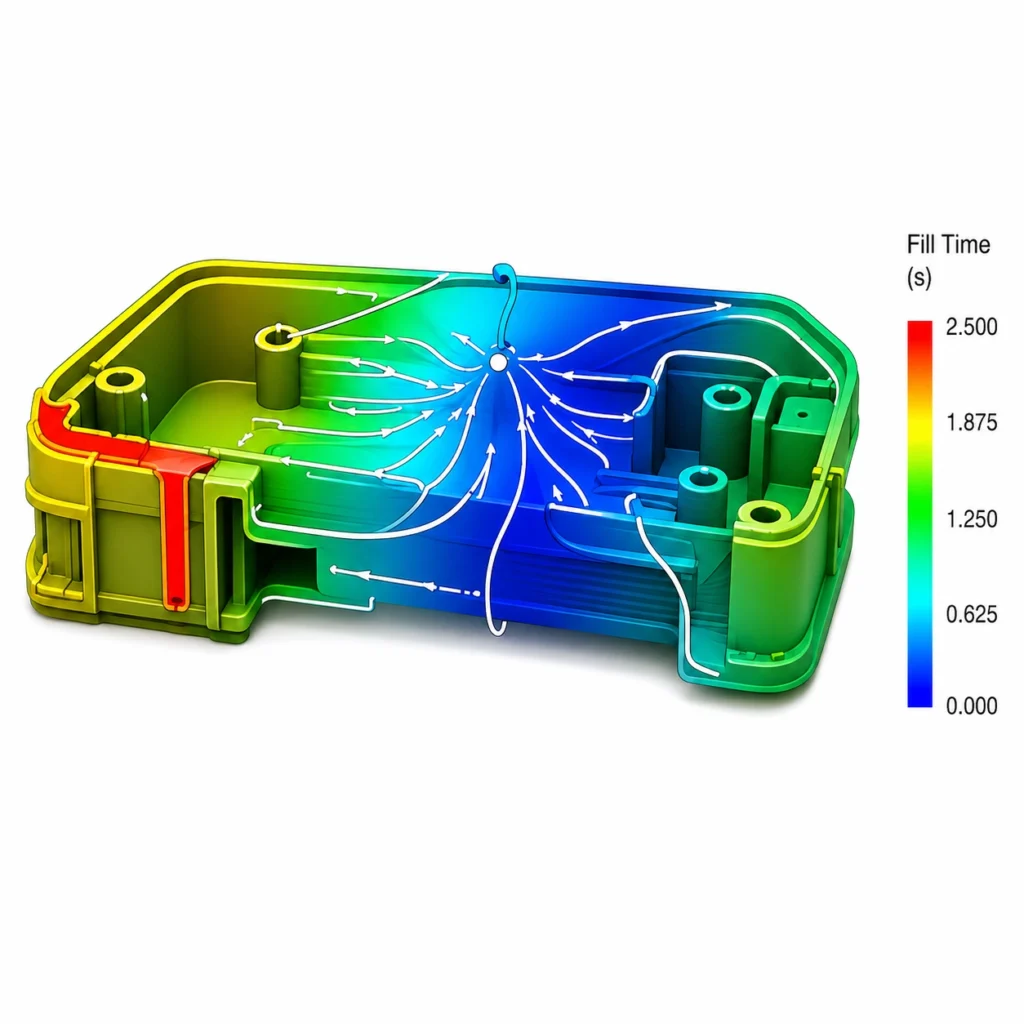
Yes. For suitable projects, we can support mold flow analysis to evaluate filling behavior, gate location, weld lines, air traps, shrinkage risk, and warpage tendency. Mold flow analysis is especially useful for complex plastic parts, large parts, thin-wall parts, and high-volume production projects.
Yes. We can support plastic product structure design with snap-fits, screw bosses, ribs, clips, hooks, inserts, living hinges, assembly features, and functional spaces. These structures can be optimized for strength, assembly, mold release, and production reliability.

Start Your Project

Tell us about your injection molding needs — our engineers will respond within 24 hours.

Your information is kept confidential. We never share your data with third parties.

Scroll to Top

Request a Quote for Your Mold Project